
 SHOP







 Our Collection

 Nederlands
 Deutsch
 Français
Beauty News
The Medicinal Benefits of the Nasturtium Plant

Sep
Contrary to what its name might suggest, the Nasturtium does not originate from East India. Its true origins lie in the South American Andes. The Nasturtium (Tropaeolum majus) thrives near water, often on mountain slopes close to streams, but it prefers to keep its roots dry. This plant family encompasses about 80 different species.
Where Does It Grow?
In its native habitat, high humidity makes it challenging for plants to evaporate excess water. The Nasturtium has developed a solution for this: special glands on the edges of its leaves. At night, these glands excrete surplus water, which gathers as droplets in the center of the leaf. The entire plant is juicy and soft, lacking any robust or woody parts, typically sprawling on the ground or hanging onto other plants or fences. This prostrate growth signifies a deep connection with the earth, while its soft, succulent leaves and stems evoke its affinity with the water element.
The Fusion of Water and Fire
Emerging above the plant, its flowers resemble little crowns or flames, contrasting sharply with the watery leaves below. In its original environment, the elements of water and fire coexist harmoniously. The plant originates from a tropical region, which means warmth is constant, yet it’s always near water. Even within the plant, water and fire elements combine, as all its cells contain the water-soluble form of the fiery compound benzyl mustard oil. This substance belongs to glycosides, a vast group of chemical compounds predominantly found in plants.

Tropaeolum majus (Nasturtium)
The Plant’s Healing Properties
Many glycosides possess crucial physiological or pharmacological effects. Benzyl mustard oil has antibiotic properties, effective against viruses, bacteria, and various yeasts, while also enhancing the body’s natural defenses. Traditionally, especially the fresh leaves have been used, either as a detoxifying salad or a cooling poultice for inflammations. The plant has multiple applications. Since its introduction to Europe, its high Vitamin C content, much higher than that in oranges, has been particularly valued.
Now, the Nasturtium is also incorporated into products designed for acne-prone and impure skin. It’s especially beneficial for overactive sebaceous glands causing inflammations or the opposite problem where the skin shows hardenings and pore blockages (blackheads). Our brands harnesses the potent qualities in products aimed at addressing impure skin conditions, such as the Facial Steam Baths, Cleansing Masks, and Balancing Day Lotions. All these products contain natural ingredients, posing no harm to your health or brain. Internally, Nasturtium chiefly affects the lungs, kidneys, and bladder – organs intimately involved with the interplay between air and water, where the plant can exert a regulatory effect.
Over time, the Nasturtium has made its way from the Andes to our gardens, offering delightful blooms from May up to the first frosts of autumn. Knowing the abundant health benefits it houses, consider giving it a spot on your balcony or in your garden. And when it’s thriving, don’t hesitate to introduce it into your culinary adventures.

A Bigger Range, the Same Care; Here’s What to Expect
More Brands, More Choice, all for You! You’ll soon see a lot of new brands appear [...]
Nov
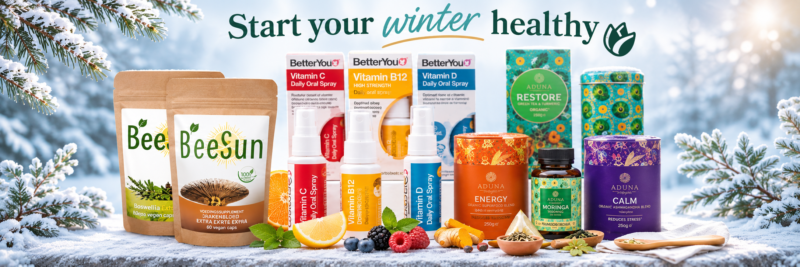
Start your Winter Healthy!
New brands, new opportunities – BeeSun, Aduna and BetterYou As soon as the clocks go [...]
Nov

Treat Yourself: A Cosy Autumn Skincare Edit
The days are shorter, the evenings are darker, and there is a perfectly good reason [...]
Oct

Treat Yourself From the Inside: Cosy Autumn Drinks, Powders and Tonics
When the days get shorter, treating yourself usually means buying something for the bathroom shelf. [...]
Oct

Red Light Therapy from A to Z, Part 1: What happens inside your cells?
Wilma Explains: Red Light Therapy from A to Z Part 1: What happens inside your [...]
Oct

Red Light Therapy against Winter Depression
Wilma Explains: Winter Depression? 5 Tips for a Radiant Winter In the Netherlands, and also [...]
Oct
Rose in Skincare: A Guide to Rose Water, Rose Oils and Everything In Between
Rose has been part of beauty for centuries, from rose water on the skin to [...]
Oct
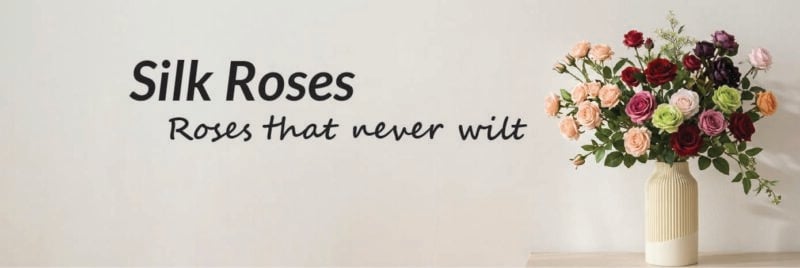
Silk Roses: How to Choose the Right Rose and Make It Look Beautiful
Everyone knows what a rose looks like, and almost everyone has a favourite. The problem [...]
Oct
 Beauty Products
 View all
 By Skintype
 Brands A-Z
 Wellness
 Health / Nutrition