
 SHOP
SHOP








 Our Collection
 Nederlands
 Deutsch
 Français
Anima Mundi, Beauty News
Nature was the first biohack

Feb
Ancient Ways to Reset Without Burning Out
Before biohacking became a trend, there were rituals.
Before stress trackers, there were roots, bitters, and intentional pauses.
Before sleep apps, there were dreams — observed, remembered, and respected.
For most of human history, winter was never about pushing harder or optimising performance. It was a season of slowing down. Of repair. Of listening inward. Just as the land rests in winter, the body was never meant to be productive all year long.
Seasonal thresholds like the winter solstice marked a time for restoration. The nervous system softened. Digestion slowed. Energy was conserved. Rest was not seen as weakness — it was essential for survival and long-term vitality.
Today, we often move in the opposite direction. Modern life asks us to perform constantly, regardless of season, light, or energy levels. This ongoing pressure can lead to chronic stress and disrupted rhythms, pushing many people toward quick fixes rather than sustainable wellbeing.
What we now call biohacking is, in many ways, simply a return to ancient wisdom.

The Softer Lineage of Biohacking
Traditional healing systems have always understood that the body, mind, digestion, immunity, and emotions are deeply connected. They focused on balance rather than control.
Instead of tracking every biological response, these systems relied on daily rituals:
- Drinking bitter or warming teas before meals
- Resting when the body signals fatigue
- Creating evening routines to support sleep
- Paying attention to dreams and emotional shifts
This gentler form of biohacking asks for presence, not perfection.
It reminds us that rest is a biological need — not a reward you earn after exhaustion.

Herbs Instead of Cortisol Trackers
Cortisol often gets a bad reputation, but it’s a vital hormone. It helps regulate energy, focus, and our natural response to life’s demands. Problems arise when the body stays stuck in a constant fight-or-flight state, especially during winter when light is scarce and daily rhythms shift.
Traditional herbal systems didn’t aim to suppress stress. They supported the body’s ability to adapt.
This is where adaptogenic herbs come in.
Adaptogens are traditionally valued for helping the body respond to occasional stress while supporting overall balance. They don’t force the body in one direction — they work with its natural intelligence.
Plants like:
- Ashwagandha, long used in Ayurveda as a restorative tonic
- Schisandra, cherished in Traditional Chinese Medicine and Siberian herbalism for vitality and resilience
- Tulsi (Holy Basil), revered for emotional balance and overall wellbeing
These herbs have been used for centuries because they support multiple systems at once — gently and intelligently.
If modern biohacking is about performance and recovery, then plants were the original operating system. No dashboards needed. Just consistent, mindful use rooted in tradition.
Winter Sleep: Sensory, Not Engineered
Before sleep was measured in percentages and charts, it was prepared for.
Sleep was a ritual.
 Across many cultures, evenings were shaped by warmth, scent, sound, and calming plant allies. The nervous system was guided toward rest, not forced into it.
This is what sleep optimisation looks like when it’s human:
- Dimming lights earlier in the evening
- Allowing darkness to signal rest
- Drinking a warm, bitter-sweet tea at sunset
- Creating quiet, sensory cues of safety
Plants traditionally used in evening rituals include passionflower, cacao husk, blue lotus, reishi, and aromatic resins. They were not used to sedate, but to invite rest.
Modern research now confirms what ancient cultures already knew:
sensory signals like temperature, aroma, taste, and texture play a powerful role in regulating our circadian rhythm.
Winter sleep, in particular, has deep restorative potential. Longer nights support dreaming, emotional processing, and cellular repair. Instead of stimulating ourselves by day and sedating ourselves by night, winter asks us to soften the pace altogether.
And that brings us to dreams.

Dreams as Natural Biofeedback
Dreams are one of humanity’s oldest feedback systems.
In many Indigenous traditions, dreams were seen as messages — from the psyche, from ancestors, or from nature itself. From an herbal perspective, dreams can reflect the state of the nervous system.
- Fragmented dreams may signal overstimulation
- Vivid or emotional dreams often appear during deep inner processing
- Repeating symbols can point to unresolved themes seeking attention
These insights are symbolic, not diagnostic. They offer information through imagery, not symptoms.
Historically, certain plants were used ceremonially to support dream clarity and reflection. Even today, many people notice that when they prioritise rest, nourishment, and nervous system support, their dreams naturally become clearer and more meaningful.
Over time, dreams can act as a gentle mirror — reflecting how supported and regulated the body truly is.
Seasonal Cleansing: A Forgotten Winter Practice
Cleansing has always been seasonal.
From Ayurvedic panchakarma to traditional purification rituals in many cultures, periods of cleansing were aligned with transitions — including winter. Contrary to modern beliefs, winter has long been seen as an appropriate time for internal resets.
After travel, communal feasting, or dietary shifts, winter offered a slower rhythm for digestive support and renewal.
Herbal cleansing rituals were never meant to be constant. They were used mindfully, in intervals, and always alongside nourishment, rest, and hydration.
With its inward energy and quieter pace, winter creates space to listen closely to the gut and rebuild foundational rhythms before spring arrives.










The Most Powerful Biohack Isn’t a Supplement
No supplement — herbal or otherwise — can override a constantly dysregulated nervous system.
Plants work best when the body feels safe enough to receive them.
The most effective winter biohack is choosing rest in a culture that glorifies exhaustion. It’s saying no to overcommitment. Allowing digestion to slow. Letting sleep deepen. Giving the mind space to wander without agenda.
These choices may look small, but they are quietly radical.
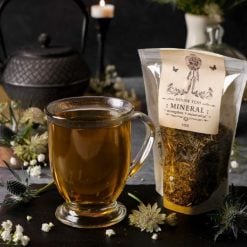
A tea rushed between meetings does not land the same way as the same herbs sipped slowly by candlelight. The chemistry doesn’t change — the body’s receptivity does.
You are not a machine.
You are a cyclical being, shaped by light, seasons, memory, and relationships.
When rest becomes intentional and plants are treated as partners rather than products, the body remembers how to regulate itself.
No dashboard required.
Just presence, patience, and the wisdom already woven into your biology.












 Beauty Products
 View all
 By Skintype
 Brands A-Z
 Wellness
 Health / Nutrition