
 SHOP
SHOP








 Our Collection
 Nederlands
 Deutsch
 Français
Beauty News, HelemaalShea
TOP TIPS for making the switch to shampoo bars!
Jun
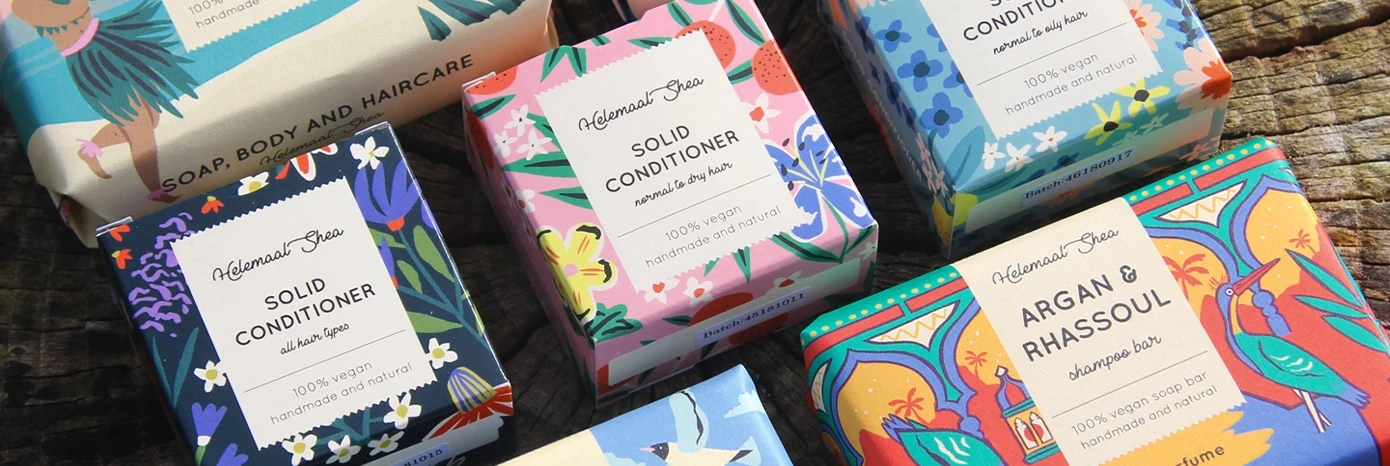
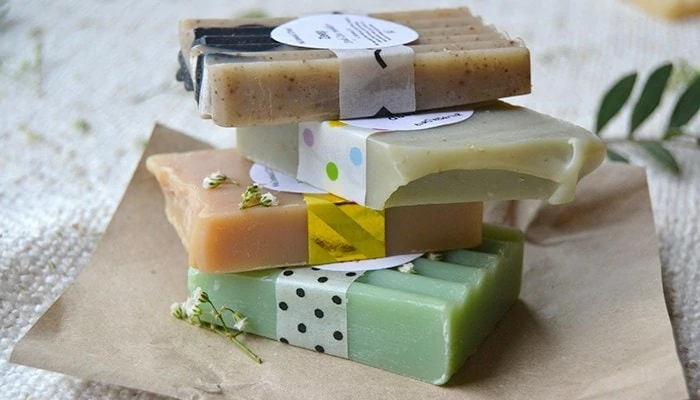
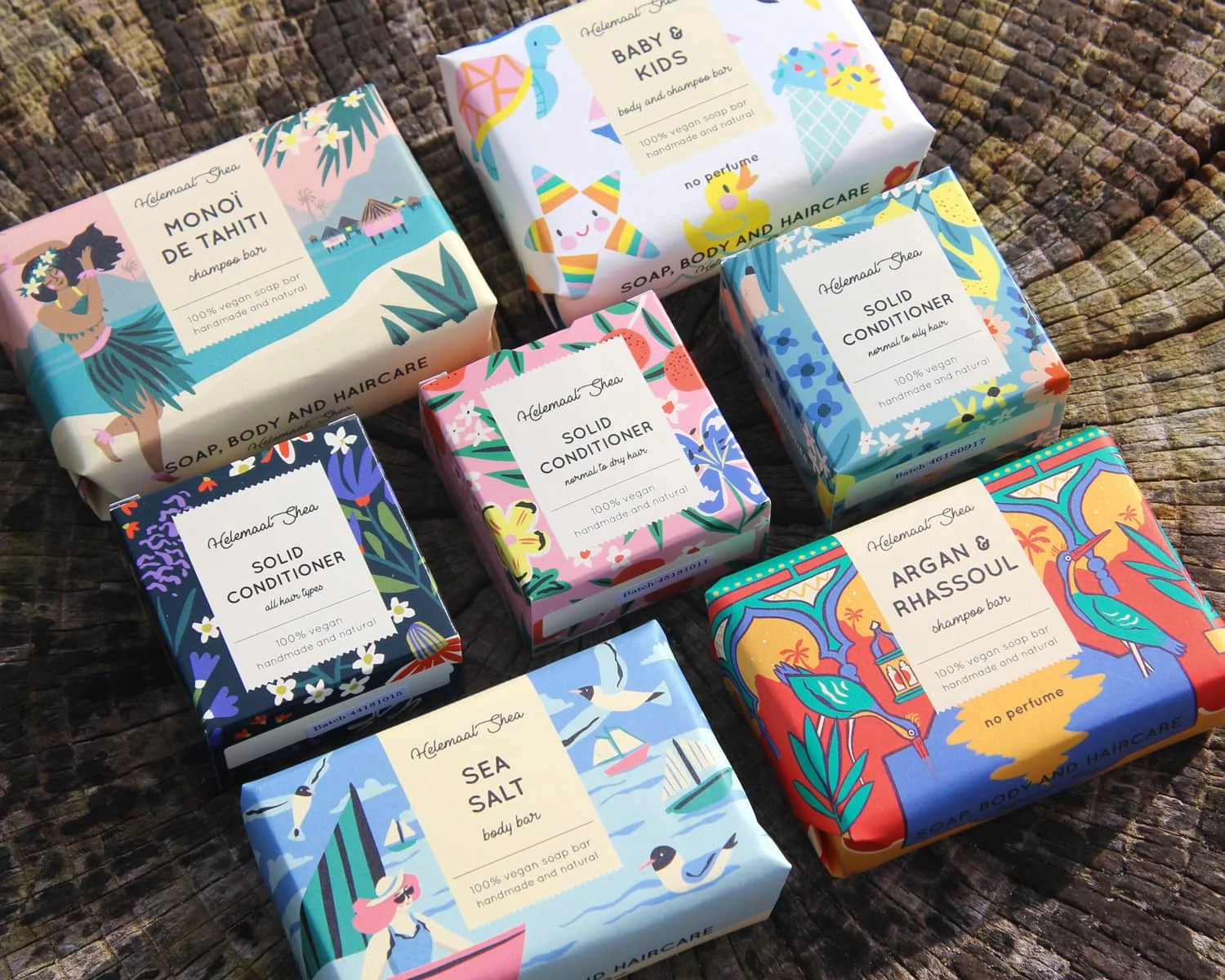
Making the switch from plastic bottled, detergent based shampoo to Shampoo Bars can feel like a big leap. To help with the transition, we have spent some time to find a few hints and tips about how to get the most from your new, natural, detergent-free shampoo bars. Read on for information to help you to make the switch from liquid shampoo and to ditch the plastic and the products containing SLS, SLES and other detergents.

1. Y o u o n l y n e e d a S m a l l A m o u n t
We’ve found that most of us tend initially to use too much product when we make the switch from liquid shampoo to solid shampoo bars. We’re used to large taking a handful of liquid shampoo (which is mostly water) which produces a very large volume of lather (which is the detergents found in most commercially produced shampoos). Now, in our solid shampoo bars, we don’t use either of these ingredients (water or detergent) so we need a different approach using the solid shampoo. The secret is to only use only a very small volume of ‘Helemaal Shea’ solid, detergent free shampoo. That’s all that is needed to to clean the hair and scalp. That also means that your bars will last you well.
2. G E N T L E L A T H E R
We recommend, at least when you start off, building a gentle lather on your hands and then massaging into the hair and scalp rather than rubbing the bars onto the hair. Don’t expect as large a volume of lather as you would get from the detergent (such as SLS or sometimes SLES) in most shampoos; a high volume of lather is not essential to clean the hair. The shampoo bars do not contain any detergent nor any other non-naturally derived ingredients. As we’ve said, detergents will wash oils and fats out of hair, skin and anywhere else; a bit like washing a greasy dinner plate in Fairy Liquid! Detergent does also dry out the skin and the hair and there have been some studies linking the use of SLS to various health and skin conditions too. Liquid shampoos and some shampoo bars which contain SLS, will lather very freely, as you would expect from a detergent (think Fairy Liquid). The ‘Helemaal Shea’ shampoo bars are different and lather much more gently.
3. R I N S E A W A Y ( S p e c i a l n o t e r e h a r d w a t e r a r e a s)
Detergents will generally rinse away pretty easily, taking residues and also grease, fats and oils (including your hair’s natural oils) with them. This can be drying for the skin and the hair. With a non-detergent based hair product, such as the ‘Helemaal Shea’ Shampoo Bars, you will find that you need to rinse very thoroughly. Usually this presents no problems but in hard water areas, a slight residue can form, which may take more time to rinse out than you are used to. A slightly acid final rinse is helpful for the final rinse, if you are struggling to rinse out all of the product, especially if you live in a hard water area. We would recommend up to 10% cider vinegar or a little lemon juice or a few citric acid crystals in water for the final rinse. Not only will these remove any residue from hard water, but cider vinegar is an old fashioned remedy for ‘shiny hair’.
4. A D J US T M E N T P E R I O D
We have found too that perseverance pays! Some of us have a coating of products on our hair before we start and as this washes away, this can feel like an unpleasant residue in the hair for a short time. The most common issues are with silicones which are present in many conditioning products and which coat the hair to create an illusion of ‘shininess’. Most people report positive results after 1 or 2 washes but more may be needed to fully remove the build-up from commercial shampoos, during which your hair may look and feel different. Allow enough time for this detox and adjustment period.
Also, there’s a period of adjustment, for some of us, which our hair goes through, as it becomes used to no longer having to ‘fight’ with SLS and similar harsh chemicals. Instead, our hair learns to be strong and shine all by itself. SLS strips away your hair’s natural coating which can cause your scalp and hair to become dry. Your scalp may try to compensate for this by producing more natural oil (sebum) which, in turn, can lead to an even harsher shampoo being used to combat the greasy hair. When we stop using harsh shampoos, our hair and scalp are no longer being stripped of their natural oils. Our hair may now take some time to re-balance its oil production. This can take place from a few days to a few weeks.
It pays to be patient and you will be rewarded with healthy hair and scalp.


PUMPKIN-CHICKPEA “Para-Herb Defense” Salad
This deeply nourishing seasonal salad is packed with high vibrational foods to awaken the digestive [...]
Oct
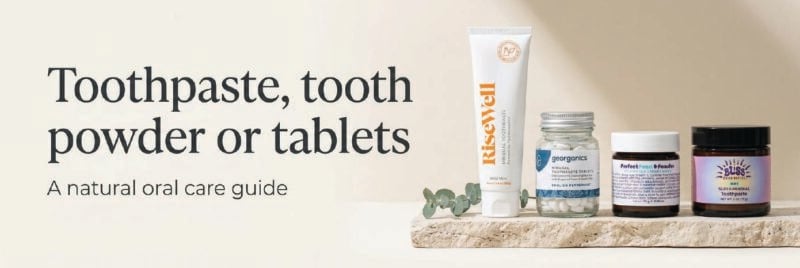
Toothpaste, Tooth Powder or Tablets: Which One Is Right for You?
For a long time, the toothpaste aisle came down to one question: which flavour of [...]
Oct
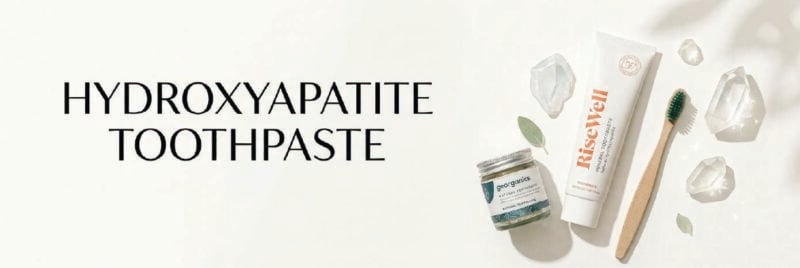
Hydroxyapatite Toothpaste: What It Is and Who It Suits
Tooth enamel is the hardest substance in your body, and it still can't grow back [...]
Oct

Autumn in Full Bloom: This Season’s Colours and How to Style Them With Silk Flowers
Outside, the garden is winding down. Inside, we want the opposite: warmth, colour and something [...]
Oct
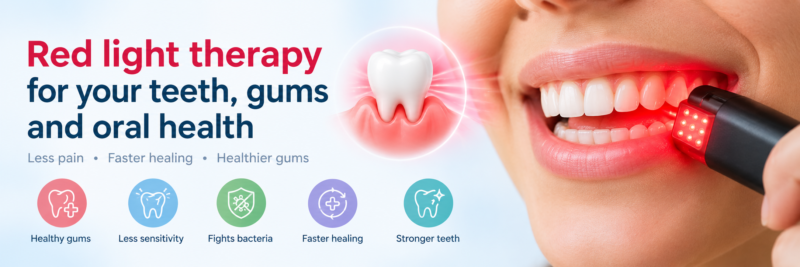
Red Light Therapy for your Oral Health
Wilma Explains:Red light therapy for your teeth, gums and oral healthRed light therapy has quickly [...]
Oct

(Recipe) Autumn Salmon & Vegetable Traybake
Autumn has definitely arrived here in the Netherlands. The days are getting shorter, the mornings [...]
Oct
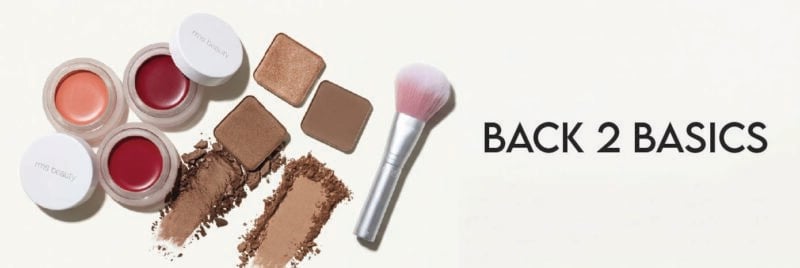
Back 2 Basics: Effortless Beauty with Lip2Cheek, Back2Brow and Skin2Skin
Some makeup simply works with your skin instead of sitting on top of it. That's [...]
Oct
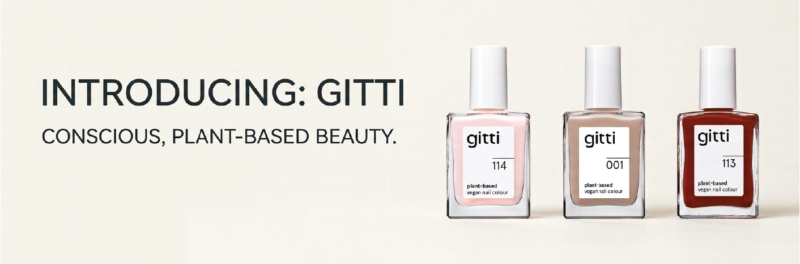
Meet Gitti: The Berlin Nail Polish Brand Redefining Conscious Beauty
We're excited to welcome Gitti to our store! If you love a fresh manicure but [...]
Oct
 Beauty Products
 View all
 By Skintype
 Brands A-Z
 Wellness
 Health / Nutrition