
 SHOP
SHOP











 Our Collection
 Nederlands
 Deutsch
 Français
Beauty News, RiseWell
Is mouth breathing the hidden reason behind your child’s cavities?
Dec
You brush.
You floss.
You skip sugary drinks.
And still… another cavity shows up.
If this feels familiar, you’re definitely not the only parent dealing with it. Many families share this experience, and here’s the surprising part:
It may not be about brushing at all.
For many kids, the real issue begins with how they breathe.
More and more research shows that mouth breathing can quietly increase the risk of cavities—even when daily habits look great.
Let’s explore why this happens, what you can look out for, and how you can support your child’s smile at home.
Why Mouth Breathing Matters More Than You Think
When kids breathe through their mouths, especially at night, their mouth becomes dry. And that dryness has big consequences.
Saliva does much more than you might expect. It:
Rinses away food
Balances acids
Protects and strengthens enamel
Supports the oral microbiome—the community of helpful bacteria in the mouth
When saliva drops, bacteria rise. Acids rise. Enamel weakens.
That’s the perfect setup for cavities, often in the front teeth.
One study even showed that children who mouth-breathe are 57% more likely to get cavities in their front teeth compared to nose-breathers.

But Why Do Kids Mouth-Breathe?
It usually starts with something physical, such as:
Seasonal allergies
Enlarged tonsils or adenoids
A narrow palate or jaw
Over time, it becomes a pattern—and this pattern affects far more than breathing alone.
When kids breathe through their noses, the tongue rests against the roof of the mouth.
This simple position helps the upper jaw grow wider, leaving enough room for teeth to align properly.
But with mouth breathing, the tongue drops low. This can lead to:
Narrow jaws
Crowded teeth
More cavities
Speech challenges
Sleep issues
So while it may seem like “just a habit,” mouth breathing influences growth, comfort, and long-term oral health.
Small Habits, Big Smiles: A Simple Routine That Helps
Breathing plays a role, yes—but daily habits are still powerful.
A steady, kid-friendly routine can support stronger teeth and a healthier mouth.
Here’s an easy three-step routine you can try at home:
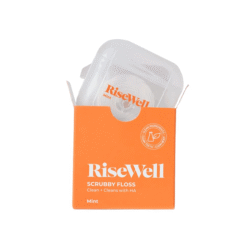
1. Floss First
Removing food between the teeth first helps brushing work better.
(And yes—kids can floss! A little help goes a long way.)
2. Rinse
A quick rinse loosens debris and reduces acidity before brushing.
3. Brush for Two Minutes
Use gentle circles and a toothpaste that is safe, effective, and fun for kids.
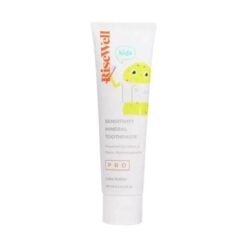
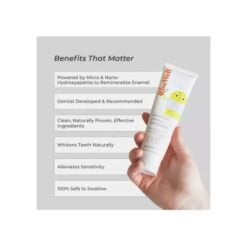
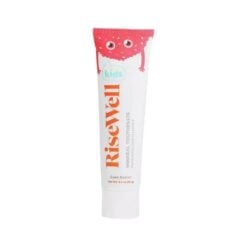
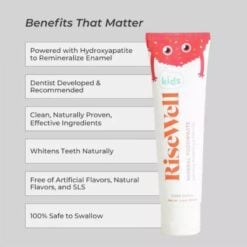
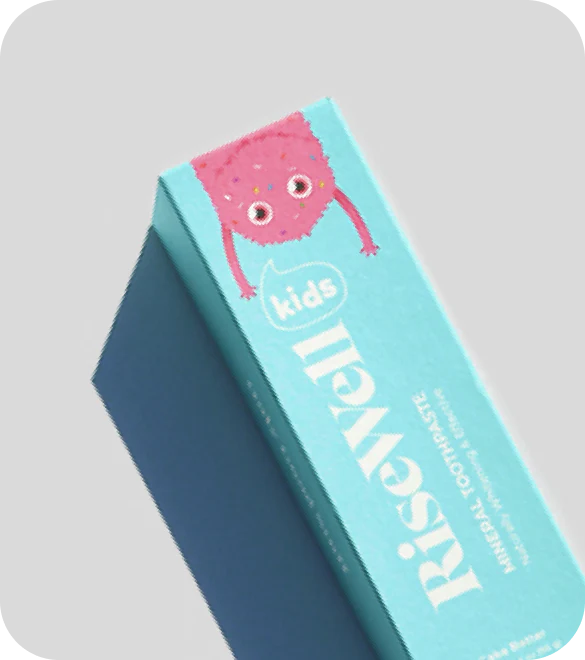
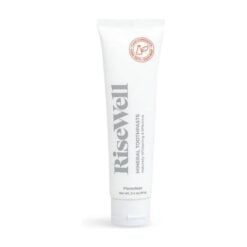
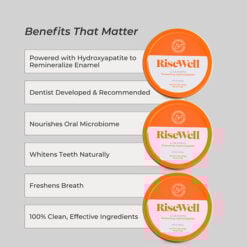
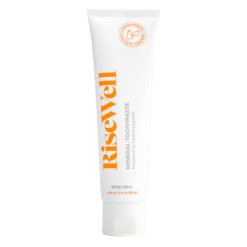
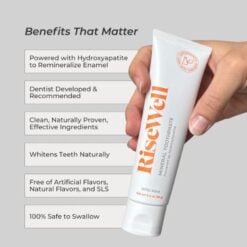
The RiseWell Kids PRO Mineral Toothpaste, available here, is powered by hydroxyapatite, a natural mineral that strengthens enamel—without fluoride. It’s safe to swallow and tastes like real ingredients (hello, Cake Batter!).
Why This Matters for Your Child’s Smile
 Mouth breathing might look harmless from the outside, but inside the mouth it can quietly change a lot.
When you recognize the signs early and build simple, joyful routines, you give your child the tools for:
Stronger enamel
Fewer cavities
Better alignment
A more confident smile
At Dutch Health Store, we choose products that make this easier for parents.
RiseWell’s Kids Mineral Toothpaste is:
Safe for little ones to swallow
Free from fluoride, SLS, and artificial dyes
Flavoured with real, child-friendly ingredients
Made with hydroxyapatite to support natural, healthy development
Every healthy smile starts at home—and you’re already doing an amazing job by learning more.


More to read from Risewell

Why your toothpaste could help protect your heart
When you think about heart health, you probably think of exercise, eating well, sleeping enough, [...]
Dec

Is mouth breathing the hidden reason behind your child’s cavities?
You brush. You floss. You skip sugary drinks. And still… another cavity shows up. If [...]
Dec

Topical Hydroxyapatite: The Natural Way to Soothe Sensitivity and Strengthen Enamel
Many people experience tooth sensitivity — in fact, studies show that about one in eight [...]
Oct
RiseWell: The revolution in Natural Oral Care
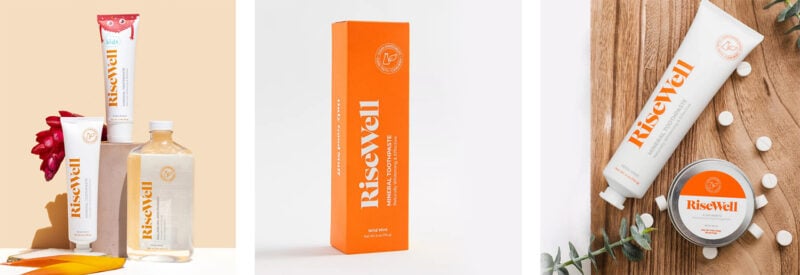
From Fluoride to Hydroxyapatite – A Healthier Smile Starts Here Oral care is something we [...]
Oct
 Beauty Products
 View all
 By Skintype
 Brands A-Z
 Wellness
 Health / Nutrition