
 SHOP
SHOP







 Dutch Health Store Kollektion
 English
 Nederlands
 Français
Unkategorisiert
Elementor #390809
Wilma explains:
4 Natural Anti-Inflammatories for Pain
Do you often struggle with knee pain, lower back pain, or another spot that just keeps flaring up?
Chances are there’s one shared culprit behind it: inflammation.
What exactly is inflammation?
Inflammation means there are too many prostaglandins and other inflammatory markers circulating in your blood. Your body produces these substances itself. That might sound unhelpful, but it’s actually a clever mechanism: inflammation is the starting signal of a healing process.
When you fall on your knee, prostaglandins are released and acute inflammation occurs.
That inflammation kicks off a chain of healing processes, which eventually leaves your knee free of complaints. In a healthy, natural situation, acute inflammation is therefore essential.
Where does it go wrong?
The problem arises when inflammation lasts longer than necessary, or keeps coming back.
Unfortunately, our modern way of living causes the body to produce inflammatory substances more often and for longer than is healthy. You notice this through recurring or persistent pain in joints, muscles, or tendons.
Three lifestyle factors play a major role here:
- Too little physical activity
- A diet that actively fuels inflammation
- A disrupted sleep rhythm or poor sleep quality
If one of these factors, or several at once, gets out of balance, it can eventually lead to chronic, low grade inflammation in the body.
This doesn’t stop at muscle and joint complaints.
Persistent low grade inflammation is in fact linked to serious long term conditions, such as:
- Diabetes
- Obesity
- Allergies
- PCOS
- Cardiovascular disease
- Arthritis
- Depression
- Parkinson’s and Alzheimer’s disease
These conditions almost always develop in a body that has already been dealing with low grade inflammation for some time.
What about medication?
Many people reach for painkillers to suppress inflammation. In the short term these can offer relief, but with long term use they carry risks, such as:
- Stomach ulcers
- Raised blood pressure
- Reduced blood clotting
- Declining kidney function
- Fluid retention
Fortunately, there are natural ways to reduce inflammation and pain without those side effects. Below are four proven methods.
1. Nutrition: the foundation of reducing inflammation
What you eat always affects, positively or negatively, the level of inflammation in your body.
Nutrition is really the most fundamental lever you have in your own hands: three times a day you choose again whether you’re supplying your body with building blocks for repair, or with raw material for inflammation.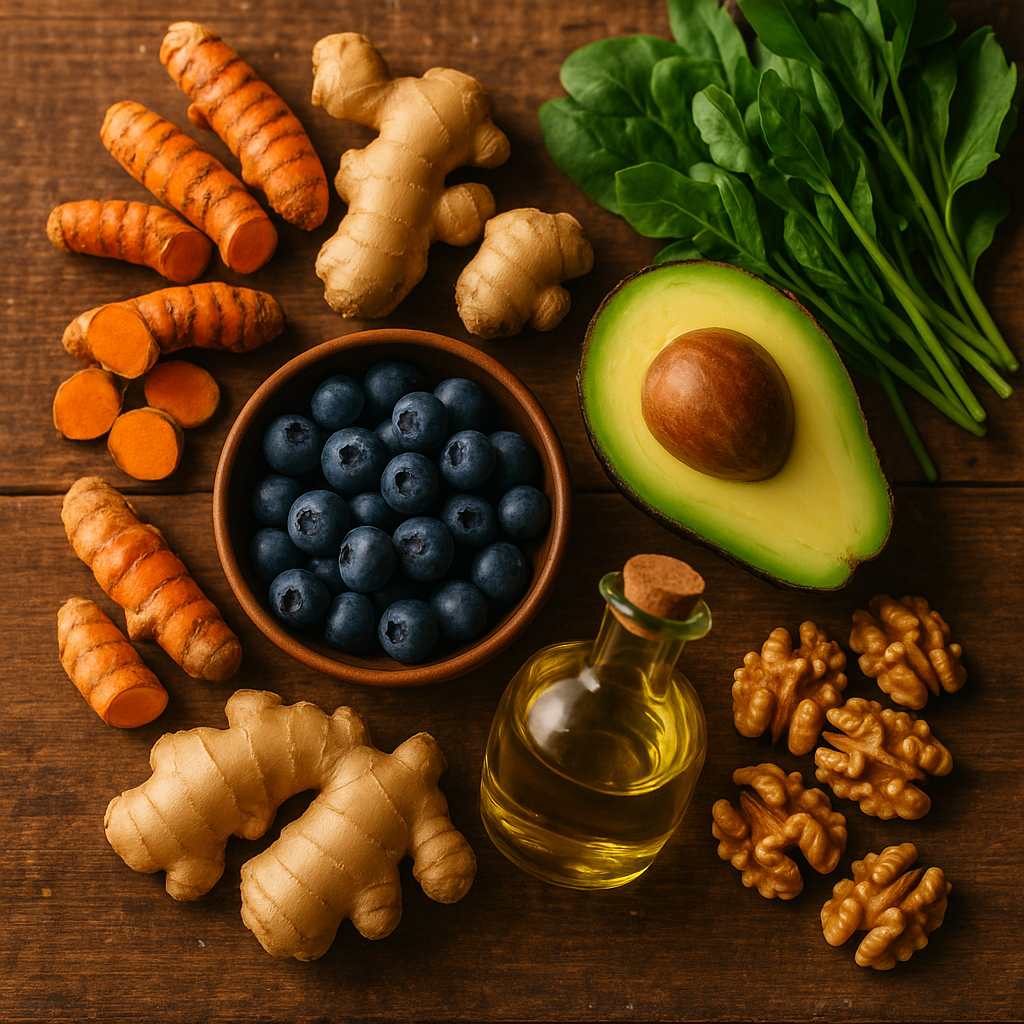
This also varies from person to person: some people are sensitive to gluten from grains or casein from dairy products, for example,
while others notice no effect at all. If you want to know exactly which foods trigger inflammation for you, a naturopathic or orthomolecular therapist is the right person to work that out with you, for instance through an elimination diet or targeted lab testing.
The main culprit: polyunsaturated fatty acids
The most important dietary factor behind inflammation is polyunsaturated fatty acids, or PUFAs for short.
These are found in large amounts in processed vegetable oils such as sunflower oil, soybean oil, corn oil, and canola (rapeseed) oil. These oils not only disrupt the balance with omega 3 fatty acids, they also literally supply the body with the building blocks it needs to produce inflammatory substances such as prostaglandins and leukotrienes.
There’s another factor at play: these oils are highly prone to oxidation.
As soon as they’re heated, such as when frying or deep frying, or simply left exposed to light and air for a while, they form harmful oxidation byproducts that further fuel inflammation in the body.
Many of these oils are also hidden in processed products: ready made sauces, cookies, chips, margarine, and fast food.
If you check the label of such a product, you’ll often come across terms like vegetable oil, sunflower oil, or soybean oil without immediately realizing it.
You already get a healthy amount of PUFAs from natural food sources like vegetables, nuts, and seeds.
Extra intake through refined seed oils is therefore one of the first things you can cut out if you want to structurally reduce inflammation.
The best replacements are more stable fats that oxidize less easily, such as olive oil for cold preparations and coconut oil, ghee, or butter for cooking.
So what can you eat?
The rule of thumb is simple: choose food without packaging and without a long list of ingredients, as close as possible to its original, unprocessed form. Think of:
- Vegetables and fruit, ideally in a wide variety of colors, since each color represents a different group of protective plant compounds
- Nuts and seeds, such as walnuts, almonds, chia seeds, and flaxseed
- Meat, fish, and eggs of good quality, preferably from animals that were raised outdoors and fed naturally
- Traditional, age old fats such as olive oil, coconut oil, and butter, used in moderation
- Wholesome carbohydrate sources such as sweet potato, pumpkin, and whole grains, instead of heavily processed grain products
- Fermented foods such as sauerkraut, kimchi, and yogurt, which support gut flora
That last point matters:
a large part of the immune system, and with it the regulation of inflammation, is directed from the gut.
A healthy, diverse gut flora contributes to a balanced inflammatory response, while a disrupted gut flora can actually promote chronic inflammation.
Enough fiber from vegetables, fruit, and legumes feeds the good gut bacteria and is therefore indirectly anti inflammatory as well.
Blood sugar also plays a role that’s often underestimated. Sharp spikes and dips in your blood sugar, caused by lots of sugar and fast carbohydrates, create extra oxidative stress and inflammation in the body.
By combining carbohydrates with protein, fiber, and healthy fats, and by avoiding processed sugars as much as possible, you keep your blood sugar more stable and reduce that extra inflammatory trigger.
Foods with an extra strong anti inflammatory effect
Some foods stand out for their powerful anti inflammatory properties:
- Turmeric root, ideally combined with black pepper and a bit of fat, since that significantly boosts the absorption of its active compound, curcumin
- Fatty fish such as salmon, mackerel, herring, and sardines, rich in the omega 3 fatty acids EPA and DHA
- Berries, such as blueberries, strawberries, and raspberries, packed with antioxidants and polyphenols
- Avocado, with healthy monounsaturated fats that support cell membranes
- Raw cacao, rich in flavonoids that benefit blood vessels and the immune system
- Leafy greens such as spinach, kale, and chard
- Green tea, containing the anti inflammatory compound EGCG
- Ginger, with an effect comparable to turmeric and also good for digestion
- Extra virgin olive oil, thanks to the compound oleocanthal, which works in a similar way to certain anti inflammatory medications
- Garlic and onion, with sulfur containing compounds that support the immune system
- Almond milk and almonds, as a source of vitamin E, which acts as an antioxidant
Try to work a number of these foods into your daily routine, rather than using them only occasionally.
Reducing inflammation through nutrition is cumulative: the effect builds up the more consistently you keep it up.
Supplementation as a complement
Alongside nutrition, targeted herbal extracts can also help reduce pain and inflammation, especially when complaints
have been present for a while and diet alone isn’t giving enough results.
Well known examples include extracts of turmeric, green lipped mussel, boswellia, and salix alba (white willow bark). Research shows these can have a noticeable anti inflammatory effect, generally with a more favorable side effect profile than conventional painkillers.
It’s also worth paying attention to your ratio of omega 3 to omega 6 fatty acids.
A Western diet often contains far too much omega 6 (partly due to the seed oils mentioned above) relative to omega 3.
An ideal ratio sits somewhere between 1:1 and 4:1, while many people in practice end up at ratios of 15:1 or higher. More fatty fish, flaxseed, and walnuts, combined with fewer processed products, help bring that ratio back into balance.
A fish oil or algae oil supplement can support this, especially if you don’t eat much fatty fish yourself.
2. Red Light Therapy (Photobiomodulation)
The anti inflammatory effect of red and near infrared light is extensively studied and documented in the medical literature. Photobiomodulation, as the scientific term goes, works at the cellular level: photons are absorbed by the mitochondria, the energy powerhouses of the cell, allowing them to produce energy (ATP) more efficiently.
More available cellular energy means the body can recover faster and inflammatory processes are dialed back more quickly once they’ve done their job.
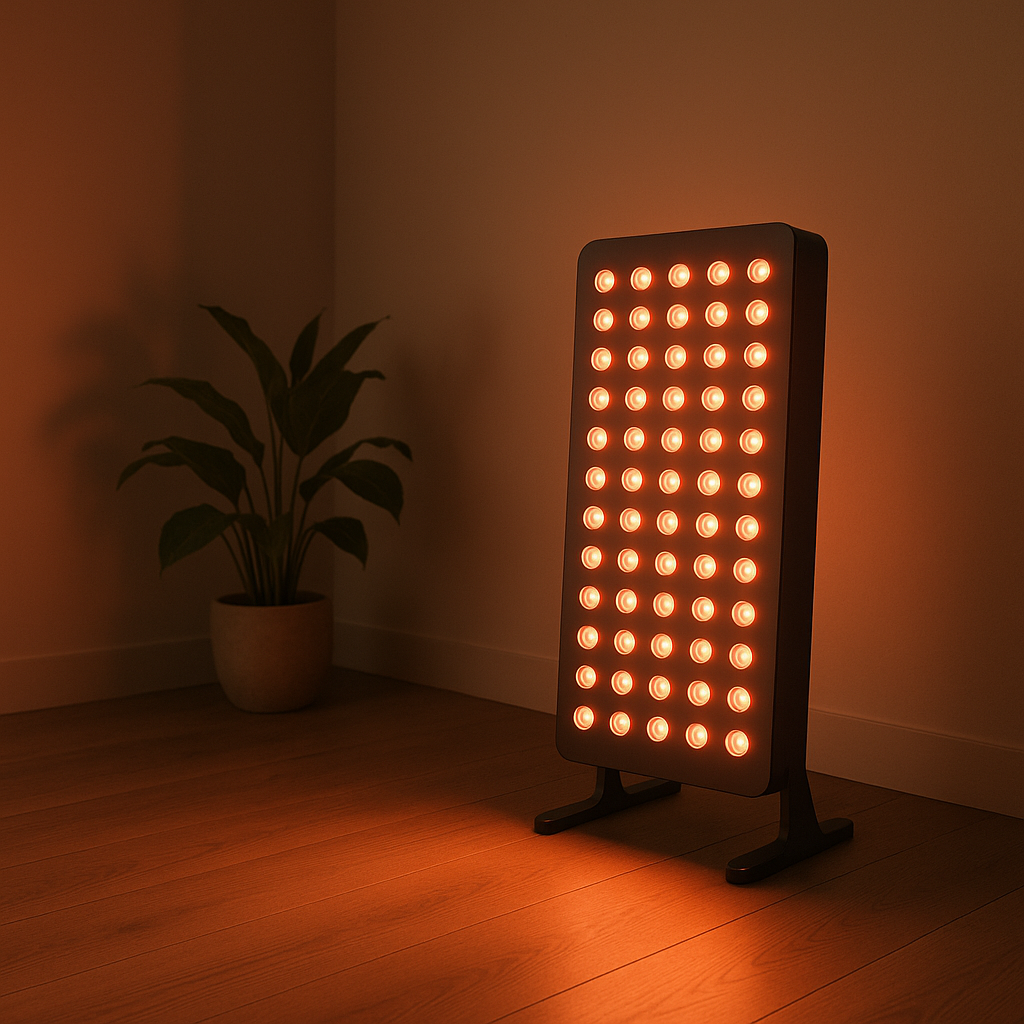
Notably, the effect is systemic: you don’t necessarily need to shine the light directly on the problem area,
as long as the photons are absorbed somewhere by the skin.
Treating, for example, the abdomen or the back can therefore also produce an anti inflammatory effect elsewhere in the body,
although directly targeting the affected area is usually still the most effective and precise approach.
Where has the effect been demonstrated?
This anti inflammatory effect has been shown in cases such as:
- Sunburn, acne, and psoriasis
- Arthritis and osteoarthritis
- Muscle and tendon inflammation, such as tennis elbow or Achilles tendinitis
- Neuropathic pain, such as nerve pain following an injury
- Lower back pain
- Wound healing and scar tissue
- Muscle recovery after intense exercise
In nearly every joint treated with red light therapy, we see a reduction in inflammation and pain.
The knee joint is the most extensively studied example, but the method can be safely applied to any part of the body that needs attention,
from shoulders and neck to wrists and ankles.
Wavelength and penetration depth
Not every wavelength of light has the same effect. Red light with a wavelength between 630 and 670 nanometers works mainly at a surface level and is therefore particularly well suited to skin issues, minor wounds, and superficial muscle complaints.
Near infrared light, with a wavelength between 810 and 850 nanometers, is invisible to the naked eye and penetrates more easily into deeper tissue such as joints, deeper muscle layers, and tendons.
For the best results, a combination of both wavelengths is often recommended: red light for the surface layer, and infrared light to also reach the deeper structures. A good device usually offers both wavelengths at once.
Power, distance, and treatment duration
Besides wavelength, light intensity (the device’s power output, measured in milliwatts per square centimeter) also matters.
A device that’s too weak, used from too great a distance, simply delivers too little energy at the tissue level to have a noticeable effect, no matter how long you sit in front of it.
A powerful device at the right distance, usually between 15 and 30 centimeters from the skin, ensures enough energy is delivered within a reasonable amount of time.
A daily session of about fifteen minutes per body area, with a powerful device, is often enough to noticeably reduce pain and inflammation. Longer or more frequent sessions don’t automatically produce a better result: photobiomodulation follows what’s known as a biphasic dose response, meaning a moderate dose is often more effective than an excessively high one.
Consistency matters more than intensity here: the best results are typically seen within one to four months, depending on the severity of the complaints and how consistently the treatment is kept up.
Safety and application
Red and near infrared light at these wavelengths, unlike UV light, contain no harmful radiation and are therefore generally safe for daily use, even over the long term.
That said, it’s wise to protect your eyes from bright light up close, and if in doubt, for example during pregnancy or with light sensitive skin conditions, it’s best to check with a practitioner first.
To maximize the effect, it’s best to combine the treatment with the other pillars in this article: an anti inflammatory diet supplies the right building blocks, while exercise and a good sleep rhythm further support the recovery process that light therapy sets in motion.
3. Exercise
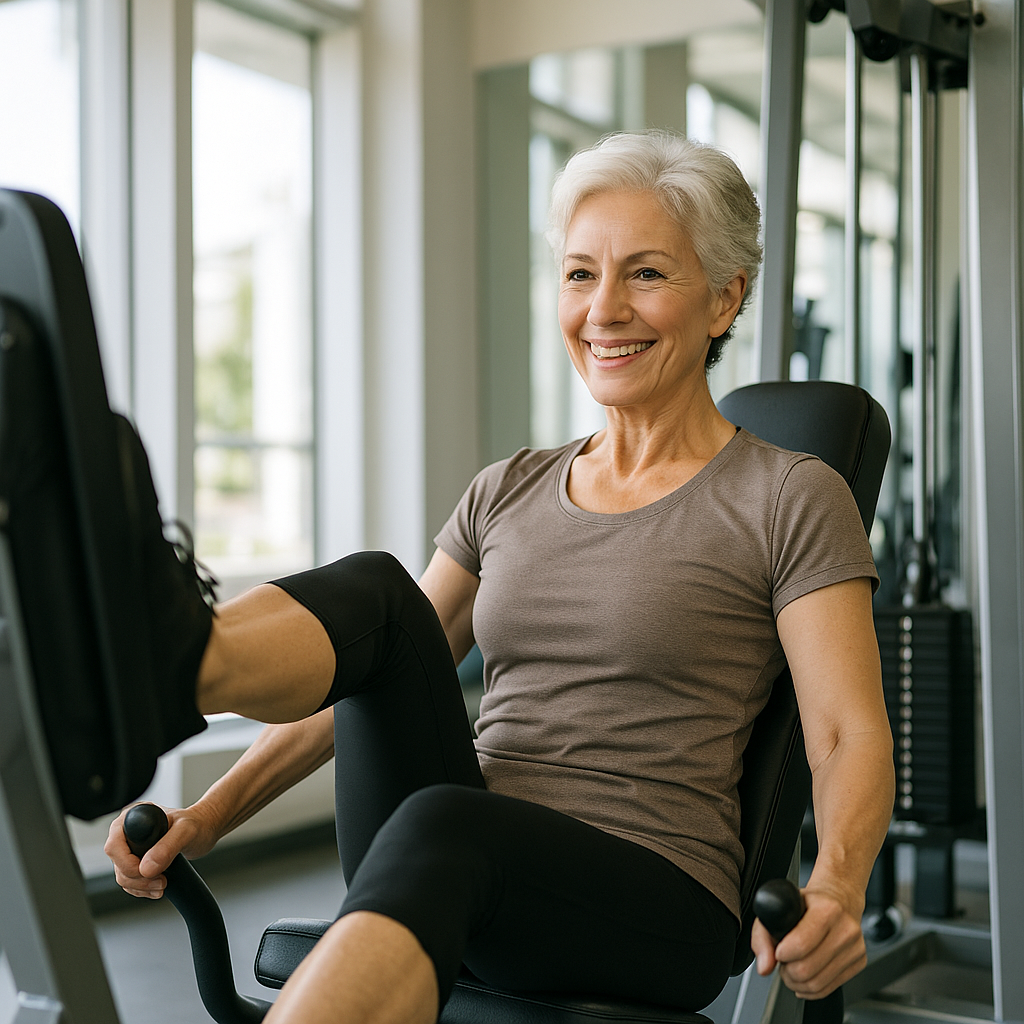 Intense training initially causes some damage to muscle tissue, and therefore temporary inflammation. But the body’s response to that is the production of anti inflammatory substances. Over the long term, regular exercise therefore actually has an anti inflammatory effect.
On top of that, other effects of exercise also contribute to less inflammation:
- More muscle mass and less fat mass
- Improved insulin sensitivity
- Lower levels of stress hormones in the body
- The social or outdoor environment in which you exercise
Of all forms of exercise, strength training appears to have the strongest anti inflammatory effect over the long term. What matters most, though, is choosing a form of movement you actually enjoy, not overtraining, and starting at your own level.
4. Sleep Rhythm
Not sleeping enough, and poor sleep quality, disrupt your circadian rhythm, also known as your body clock. Over time, this can lead to arterial calcification, weight gain, a slower metabolism, and more inflammation in the body.
Factors that further throw the body clock off balance include:
- Chronic stress
- Blue light from screens, especially in the evening
- Poor sleep hygiene, such as inconsistent bedtimes
These factors also lower the production of the sleep hormone melatonin.
The best way to restore your circadian rhythm and melatonin production is by exposing your body and eyes to natural light at sunrise and sunset. It’s specifically the red light spectrum of the rising and setting sun that plays a key role in balancing your body clock.

Not always able to be outside at those times of day? Red light therapy can serve as an alternative.
Some devices (home serie) have a dimming function, for instance, letting you use the device not briefly and directly as in a therapeutic session, but dimmed in a corner of the room as ambient light instead. This mimics the effect of sunrise and sunset and creates a healthier light environment at home, in the office, or at your workplace.
Want to reduce stress even further? Using magnesium and calming herbs such as valerian before bed can help with that too.
Conclusion
Fortunately, there are plenty of natural ways to live pain free, without relying on medication.
A lifestyle that keeps inflammation low works well both preventively and curatively against all kinds of lifestyle related diseases.
A healthy diet, targeted light therapy, regular exercise, and a stable sleep rhythm together form a powerful combination.
Combine these factors, and you give your body every chance to reduce inflammation and pain on its own, while at the same time working toward a more mobile, more energetic, and healthier life!
As I always say… Take Care Of Yourself! <3
 Beauty Products
 Marke A-Z
 Welness
 Gesundheid / Nutrition