
 SHOP






 Dutch Health Store Collectie

 English
 Deutsch
 Français
Beauty Tips, Gids & Informatie, Vivo Red Light, Wilma
Red Light Therapy from A to Z, Part 4; Gut, Immunity, Hormones and your Routine
Wilma explains:
Red Light Therapy from A to Z, Part 4
In the first three parts we looked at how red light works, what it does for your head and for your body, and which nutrients go with it. In this final part we look at the gut, the immune system and the hormones. These are areas where the research is developing quickly and the first results are promising. We finish with the practical side: the 11 treatment areas, a step by step plan for your routine, and everything about safety.
Gut: photobiomics
About seventy percent of your immune system sits in and around your gut. This is also where your microbiome lives, the community of bacteria that helps with digestion, the production of vitamins and the training of your immune system. The gut and the brain are also closely connected, the so called gut brain axis.
The new branch of science that studies the effect of light on the microbiome is called photobiomics. The term was introduced in 2019 by Liebert, Bicknell, Hamblin and colleagues.
What does the research say?
- In mice, light on the abdomen changed the microbiome in a possibly beneficial way.
- In small studies in people with Parkinson’s disease, treatment of the abdomen, neck and head for twelve weeks led to changes in the composition of the gut flora and to fewer gut complaints, such as irritable bowel symptoms.
- In a small series of patients, the beneficial effects were weaker when antibiotics were used during the light treatment.
These are first, small studies, but the results point in the same direction: light on the abdomen can have a beneficial effect on the gut flora and on gut complaints. That makes the abdomen a promising treatment area.
Naturopathic and orthomolecular support for the gut
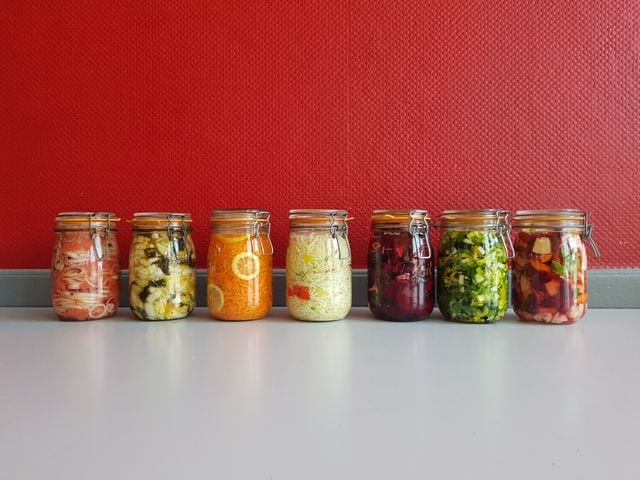
- Fibre and plant variety. Try to eat many different vegetables, legumes, whole grain products, nuts and seeds every week.
- Fermented foods such as sauerkraut, kefir and yoghurt.
- Probiotics can be useful after antibiotics or for specific complaints. The choice of strain is important.
- Protein and glutamine support the lining of the gut.
- Omega 3 and vitamin D support the balance of inflammation.
- Limit sugar, alcohol and ultra processed food.
- Relaxation. Stress has a direct effect on the gut. Breathing exercises and a regular eating rhythm help.
Immunity, thymus and lymphatic system
Light can influence your immune system in several ways. We list the main lines, together with the level of evidence.
- Inflammation and oxidative stress. Red light seems to reduce the production of inflammatory substances. In animal and laboratory studies, less swelling in the lungs and less oxidative stress were found. Research in people with respiratory infections is under way.
- Cold sores. Small studies suggest that light can speed up recovery from herpes and reduce the pain.
- Bacteria and fungi. A killing effect on bacteria and fungi has been shown in the laboratory and in the mouth. That is a different application from treating a fungal infection in the whole body.
- The thymus. Behind your breastbone lies the thymus, where T cells mature. Its activity declines with age. Researchers describe that red and near infrared light may help to maintain thymus function. It is an interesting line of research that has so far been done mainly in animal studies.
- Lymphatic system and circulation. Light improves circulation and seems to stimulate lymph flow, which can support the removal of waste products. Treat the neck, the armpits and the groin for this.
- Sleep. Your immune system is most active while you sleep. Everything that improves your sleep therefore also supports your defences.
Naturopathic and orthomolecular support for immunity
- Vitamin D. See part 2 for the advice of the Dutch Nutrition Centre. The Health Council of the Netherlands did conclude that there is insufficient evidence that extra vitamin D prevents acute respiratory infections in everyone.
- Vitamin C and zinc. Basic building blocks for immune cells. Discuss high doses first, because too much zinc can push out copper and cause nausea.
- Selenium. Found in many immune and antioxidant systems.
- Protein. Immune cells and antibodies are proteins.
- Sleep, exercise, daylight and less stress. These are the biggest levers.
Hormones, kidneys and fertility
This is the youngest area of research. The results from animal studies and small human studies are encouraging and point to a lot of potential.
- Sex glands. The testes and ovaries produce sex hormones that regulate fertility, energy, muscle growth, mood and bone density. Mitochondria play an important role in egg cells and sperm cells. Photobiomodulation of the lower abdomen is being studied for fertility and hormone balance, and the first results are encouraging, although the evidence is still preliminary. If you want to become pregnant or you are pregnant, discuss this with your doctor or midwife first.
- Kidneys and adrenal glands. Light on the lower back is being studied in relation to kidney function and the regulation of stress hormones. A simple way is to place a panel against the backrest of your chair. With the skin contact method more light reaches the kidneys.
- Blood sugar. See part 2.
Naturopathic and orthomolecular support for hormones
- Zinc, selenium, vitamin D and magnesium are involved in hormone production.
- Healthy fats and enough protein are the building blocks of hormones.
- Sleep and stress regulation. Chronic stress and lack of sleep are well known disruptors of hormone balance.
- Have your hormones measured first if you have complaints. Do not use hormone supplements or hormone modulating herbs on your own initiative.
The 11 strategic treatment areas at a glance
With a small device you can use the systemic effect in a targeted way. These are the areas we discussed in our earlier blog, with the main reason for each.
- Abdomen and gut: photobiomics and gut flora.
- Eyes and face: circadian rhythm and sleep. Eyes closed or with the matching goggles, see the instructions of your device.
- Forehead: brain energy and focus.
- Neck area: thyroid and metabolism.
- Breastbone: thymus, sleep and immune system.
- Lower back: kidneys, adrenal glands and relaxation.
- Lower abdomen: sex hormones and fertility.
- Lymphatic areas: neck, armpits and groin.
- Shinbone and breastbone: areas rich in stem cells.
- Upper right abdomen: liver function.
- The problem area itself.
Keep it simple. Choose one or two treatment areas per session rather than too many at once. That way you notice better how your body responds.
Your routine in six steps
Step 1: choose one or two goals. You do not have to improve everything at once. For example, sleeping better and less pain in the lower back.
Step 2: choose the right device. A small device (BioPhoton 3.0, BioPhoton+, Torch 2.0) is precise and flexible. A large panel (such as the Lux models) is practical for large areas and takes less time. Pay attention to wavelengths, measured intensity, flicker test and EMF.
Step 3: determine the dose. Use the dosage tool or the manual of your device. As a guideline: 1 to 10 J/cm² for superficial goals and 10 to 50 J/cm² for deeper tissues.
Step 4: start gently. Short, more often, and build up. Listen to your body. If you feel tired, get a headache or have a strong reaction: take a step back.
Step 5: stick with it for six to eight weeks and keep a log. Write down sleep, energy, pain, mood and what you did. That way you can see what works.
Step 6: support from the inside. If complaints persist, have your levels checked and build up supplements one at a time. Take care of nutrition, sleep, exercise and daylight.
Safety
- Never look straight into powerful LEDs. When treating the face, keep your eyes closed or use the matching goggles. Check the instructions to see whether you can use the device with closed or open eyes.
- Extra caution is advised in case of pregnancy, epilepsy or light sensitivity. Do you take medication that makes you sensitive to light? Talk to your doctor.
- Do you use blood thinners, anti inflammatory drugs or thyroid medication? Then always talk to your doctor.
- Stop if you notice unusual complaints and contact a healthcare professional.
- Remember that light is complementary and not a replacement for regular care.
What can you expect, and when?
Not everyone notices the same thing, and not after the same amount of time. These are experiences that people often describe, not guarantees.
- The first weeks. Many people first notice something in their sleep, energy or relaxation. Others notice nothing at the start. That is normal and says nothing about the end result.
- After six to eight weeks. With pain, stiff joints, muscles and skin, you often only see a clearer difference after a few weeks of regular use. That is why we advise sticking with it for six to eight weeks.
- Afterwards. Look in your log at what has improved and what has stayed the same. Then adjust the treatment areas, the frequency or the dose. What works well, you can calmly keep doing.
Your cells need time to adjust their energy balance. Consistency usually beats intensity.
An example of a weekly rhythm
This is an example and not a prescription. Adapt it to your device, your goal and your schedule, and follow the distance and time in the manual of your device.
- Morning. After getting up, first go outside for daylight. Afterwards you can treat your face (with closed eyes or the matching goggles) or your forehead for energy and focus.
- During the day. Treat the problem area itself, for example back, knee, shoulder or hands. Keep to the distance mentioned in the manual.
- After exercise. Treat the muscles you have trained. That supports recovery.
- Early evening. Treat the abdomen, breastbone or lower back to relax. If it makes you feel wound up, do it earlier in the day.
- Rest days. Many people include one or two lighter days or rest days a week, so they can feel clearly what it does.
Shorter and more regular works better than occasionally very long. Start with one or two areas and build up.
Lifestyle that strengthens the effect
Light gives your cells an impulse, but they also need the right conditions to do something with it. These are the biggest levers.
- Daylight. Go outside every morning, even when it is cloudy. Daylight is many times stronger than indoor lighting and helps your biological clock.
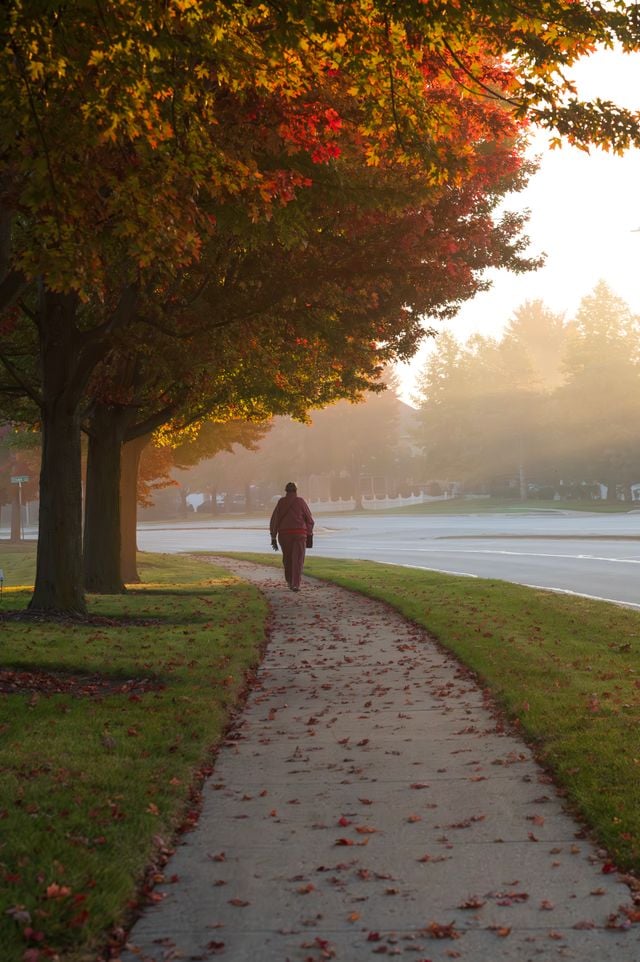
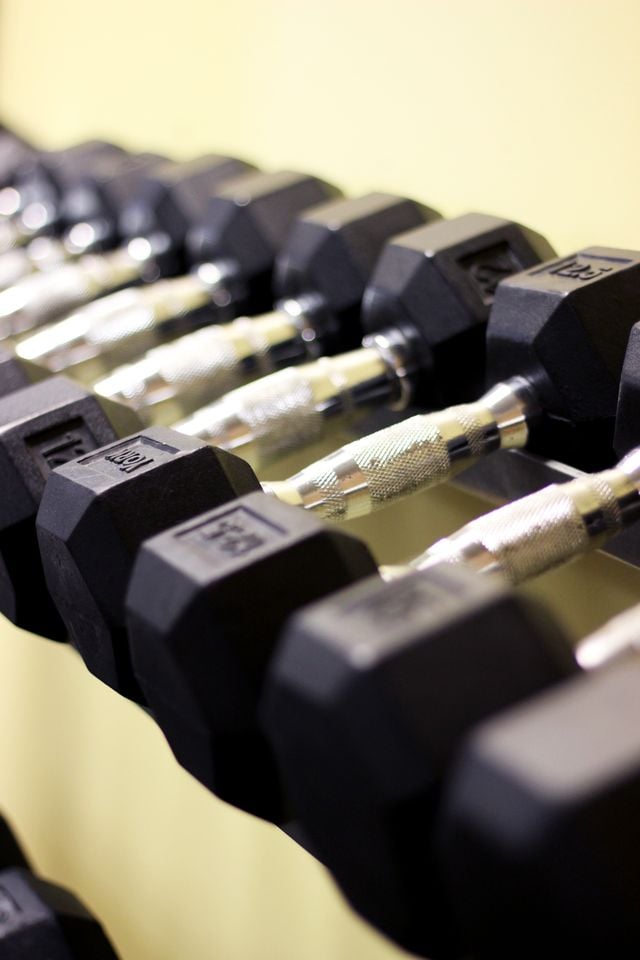
 Exercise. Walking daily and strength training three times a week support muscles, bones, blood sugar and mood.
- Protein and colourful vegetables. Protein provides the building blocks for muscles, immune cells and hormones. Vegetables and fruit provide antioxidants, fibre and minerals.
- Sleep. Keep a regular rhythm, a dark and cool bedroom, and limit screens in the evening.
- Water. Drink enough, because all your cells need it for energy and waste removal.
- Less alcohol, cigarettes and sugar. They work against recovery processes and make your sleep more restless.
- Rest and relaxation. Breathing exercises, a walk or a warm bath keep your stress level low, and your body will thank you for it.
Frequently asked questions
Can I treat myself every day? Many people use their device daily or several times a week in short sessions. Follow the manual and listen to your body. More is not always better, as you read in part 1 about the dose.
Does it also work through clothing? It works best directly on the skin. Clothing and bandages can block part of the light, so it is better to treat bare skin.
Is there a best time of day? For face, energy and focus, the morning is handy. Red light in the evening is pleasant, because unlike blue light it does not suppress your melatonin. Above all, choose the moment you will stick with.
Can I treat several areas in one session? Yes, but start with one or two areas and build up gradually. That way you notice better what suits you.
What if I notice nothing? First check whether you treat long and regularly enough (six to eight weeks), whether the distance and dose are right, and whether your basics are in order. If complaints persist, also have your levels measured, for example vitamin D, B12, iron and thyroid. If you still notice nothing after that, try a different area or dose.
Can I combine red light with my medication and supplements? Usually yes, but if in doubt always talk to your doctor or practitioner, especially with medication that makes you sensitive to light, blood thinners or thyroid medication.
Conclusion of the whole series
Red light therapy has a solid scientific basis. For pain, osteoarthritis, muscle recovery, skin and the prevention of mucositis, there are several controlled studies and meta analyses that show a positive effect. For the thyroid, the retina and blood sugar there are promising studies. For gut, immunity and hormones, research is growing quickly and the first results are encouraging. In depression, research shows that dose and protocol are decisive, and that points the way to better application.
What this series mainly shows: light works best when your body has the building blocks to do something with it. A good foundation of nutrition, sleep, exercise and daylight, supplemented with targeted nutrients where needed, makes the difference. That way light is not a separate treatment, but part of a healthy lifestyle.
Not sure which treatment area, dose or device suits you? Feel free to contact us for personal advice.
Sources
- Liebert A, Bicknell B, Johnstone D, Gordon LC, Kiat H, Hamblin MR. Photobiomics: can light, including photobiomodulation, alter the microbiome? Photobiomodulation, Photomedicine, and Laser Surgery, 2019.
- Bicknell B, Liebert A, McLachlan CS, Kiat H. Microbiome changes in humans with Parkinson’s disease after photobiomodulation therapy: a retrospective study. Journal of Personalized Medicine, 2022.
- Bicknell B et al. Parkinson’s disease and the interaction of photobiomodulation, the microbiome, and antibiotics: a case series. Medical Research Archives, 2024.
- Health Council of the Netherlands (Gezondheidsraad). Vitamin D and the prevention of COVID 19 and acute respiratory infections, 2021.
- Netherlands Nutrition Centre (Voedingscentrum). Supplement advice for vitamins, minerals and trace elements.
- Other sources: see the source lists of parts 1, 2 and 3.
Disclaimer
The information in this series is intended as general information and does not replace medical advice, diagnosis or treatment. Red light therapy, supplements and other naturopathic advice are complementary and not intended as a replacement for regular care. The examples given are not standard advice, and the choice and dose are tailored individually.
Take care of yourself!
With love,
Wilma
 Beauty Producten
 Merken van A-Z
 Welzijn
 Gezondheid / Voeding