20% OFF the entire OSHADHI range!

 SHOP
SHOP





 Dutch Health Store Collection
 English
 Nederlands
 Deutsch
Nouveau
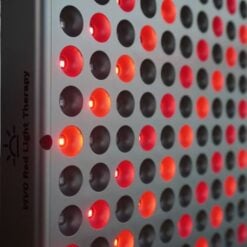
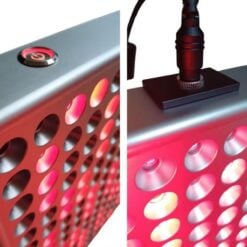
Brand: Vivo Red Light Therapy


Vivo BioPhoton 3.0
€329,00
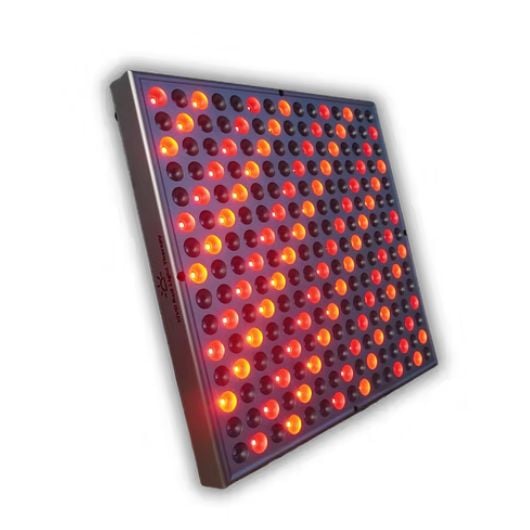
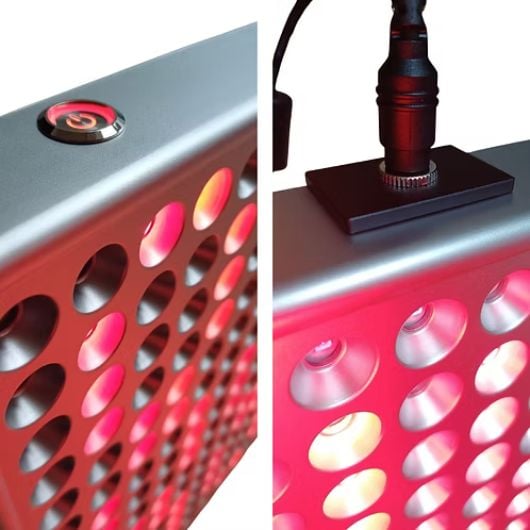
The Vivo BioPhoton+ is a powerful hybrid red light therapy panel—designed to be used not only from a distance, but also in direct contact with the skin, for a uniquely deep-reaching effect.
En stock
Vivo Red Light Therapy developed the BioPhoton+ around a controlled-dosing philosophy, where skin contact, stable light output, and safety take priority over maximum light intensity.
Torn between the BioPhoton+ and the BioPhoton 3.0? Read our breakdown of the difference between the BioPhoton+ and the BioPhoton 3.0.
✅ Lowest measured EMF device on the market (electromagnetic radiation) – barely measurable, even at 0 cm distance (see image)
✅ Better photon absorption – Our skin reflects nearly 90% of light. Thanks to its extremely low EMF, the BioPhoton+ is the first panel to make skin contact possible, so photons are absorbed not only more effectively but also more deeply. Read more about the skin-contact method here.
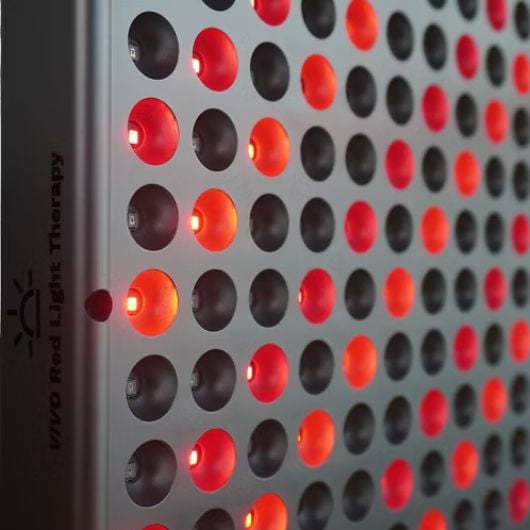
✅ Broad spectrum – An optimal mix of no fewer than 5 wavelengths of red and near-infrared light: 630 / 660 / 810 / 830 and 850 nm (nanometers)
✅ High-intensity 3-watt LEDs – We give you both the « standard » and the professional light measurement.
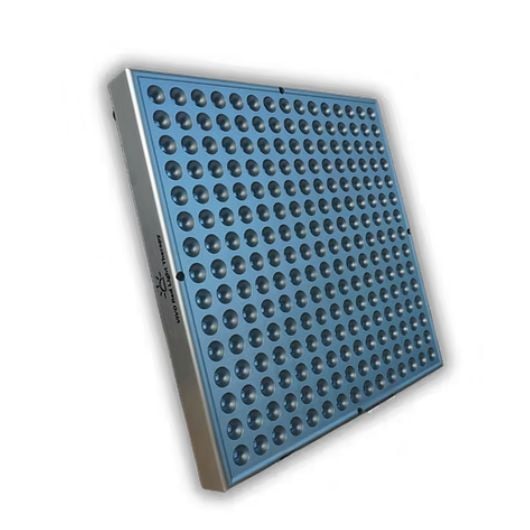
✅ Durable metal housing – Slim profile, stand included.
✅ No fan – And therefore no noise! For relaxed sessions, wherever you are.
✅ Ultra-low flicker – Most LEDs and lamps flicker (visible only with measuring equipment or a slow-motion camera), which can disrupt the body’s cells. The BioPhoton+ has the lowest flicker of any device we’ve measured.
✅ Even more energy-efficient – The 165-watt BioPhoton draws an actual 37 watts, for genuinely low energy use.
✅ NEW – Includes a travel case worth €39.95 – The EVA hard-shell case lets you take your device anywhere, safely.
Prefer not to use it directly on the skin? The BioPhoton+’s silver reflective coating ensures that photons bouncing off the skin are reflected back onto it from the device’s surface.
The Vivo BioPhoton+ weighs just 2.1 kg, makes no noise, and is easy to carry or take with you.
The technology inside the BioPhoton is specifically engineered so you can hold the LEDs directly against your skin without harmful levels of EMF or heat. Other panels on the market claim « low EMF »—but that’s never measured directly at the lamp; instead, it’s measured from at least 15 cm away.
Skin contact with the LEDs allows for deeper penetration and less photon loss.
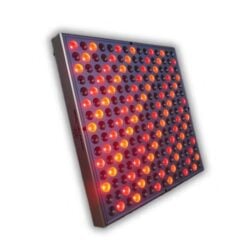
The Vivo BioPhoton+ has 55 LEDs:
11 × 630 nm LEDs
11 × 660 nm LEDs
11 × 810 nm LEDs
11 × 830 nm LEDs
11 × 850 nm LEDs
It connects via the 2-meter grounded, CE-certified power cord.
Plug and play. Simply switch on the BioPhoton by plugging it into a grounded outlet and pressing the button.
Benefits:
- Skin improvement
- Collagen production
- Scar healing
- Acne concerns
- Eczema
- Hair growth
- Eye health
- Wound healing
- Improved circulation
- More energy
- Better sleep quality
- Less joint pain
- Mobility
- Faster muscle recovery
- Muscle growth (for athletes)
- Thyroid function
- Sun exposure
- Anti-inflammatory
- Brain function
- (Winter) depression
- Neuropathy
- Fibromyalgia
- Hormone balance
- Weight management
Use
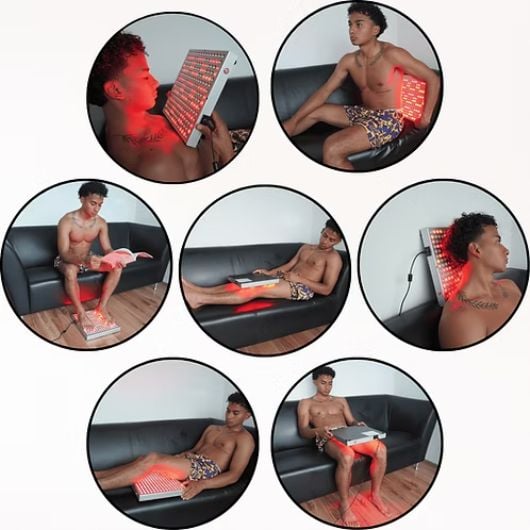
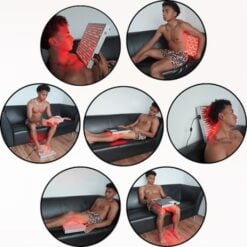
Use the Vivo BioPhoton+ at a distance of 0 to 30 cm from bare skin, on the area of your choice. Keep sessions to 5–15 minutes, once or twice daily.
What’s in the box?
1 × Vivo BioPhoton+
1 × Grounded CE power cord, 2 meters
1 × Adapter with DC cable
1 × Protective goggles
1 × Premium user manual
1 × EVA hard-shell protective case
Includes 3-year manufacturer’s warranty
This product meets CE / RoHS / FCC safety standards.
Specifications
| Number of LEDs | 225 x SMD LED |
| Total LED power | 45 watts |
| Actual power (consumption) | 30–35 watts |
| Wavelengths(nominal) | 45 x 630 nm
45 x 660 nm 45 x 810 nm 45 x 830 nm 45 x 850 nm |
| Wavelengths (measured peak) |
45 x 633 nm
45 x 661 nm 45 x 813 nm 45 x 834 nm 45 x 855 nm |
| Luminous intensity (Spectrometer) |
0 cm: 13.7 mW/cm²
15 cm: 5 mW/cm² 30 cm: 3 mW/cm² |
| Light intensity (Solar Power Meter) |
0 cm: 29.6 mW/cm²
15 cm: 8.9 mW/cm² 30 cm: 5.3 mW/cm² |
| Treatment area | 961 cm² |
| Panel dimensions | 31 x 31 x 3 cm |
| Weight | 0.85 kg |
| LED lens beam angle | 120 degrees |
| Light type | Red light and near-infrared (NIR) |
| Type of use | Skin contact and remote use |
| Application | Suitable for mild and easily adjustable light therapy |
| Cooling | Fully passive (no fan) |
| EMF at 0 cm (earthed) | Electric field: 0 V/m
Magnetic field: 0.1 mG |
| EMF at a distance | ≥ 30 cm: 0 V/m / 0 mG |
| Flicker percentage | 1.48 % |
| Flicker index | 49% |
| Flicker frequency | 37.118 Hz |
| Power adapter | CWT KPL-040F-VI (DC 12V / 3.33A) |
| Mains frequency | 50 / 60 Hz |
| Controls | Fully mechanical (ON/OFF button) |
| Housing | High-quality thermoplastic (front and rear) |
| LED lifespan | 50,000 hours |
| Warranty | 3-year Vivo warranty |
| Certification | CE / RoHS |
Note from Wilma, founder and owner of Dutch Health Store.
Vivo Red Light – Selected with Care
As a therapist and acupuncturist, I have personally selected the Vivo Red Light products and the company behind them for their solid, effective range that is firmly grounded in science.
The therapeutic benefits and health advantages of red light therapy are by now widely researched and well established.
I also strongly believe in the principle that true beauty begins from within. Red light therapy supports that process at a cellular level and contributes to good health, provided it is used consistently and correctly.
Do you have specific questions about a device, or would you like to know which device best suits your situation?
Please don’t hesitate to get in touch. I am very happy to think along with you!
Tab Title
Vivo Red Light Therapy is a Dutch platform dedicated to knowledge and products around red light therapy for home use. On this page, founder Michel Peters shares how Vivo came to be and the vision behind it.
My name is Michel Peters. I'm the founder of Vivo Red Light Therapy, and I oversee the development, measurements, and educational content within the platform. With a background in sports, orthomolecular medicine, and nutrition, I've spent more than ten years helping people improve their health. Since 2019, I've been doing that through a surprisingly powerful tool: light.
Light: from ancient ritual to modern therapy
When most people think of light, they think of something purely practical, helping you see or lighting up your home. But light is so much more than that.
It's information for your body. Just as food nourishes your cells, light influences your energy metabolism, hormones, and ability to heal.
Light has been used as a healing force for thousands of years. The ancient Greeks built Heliopolis, the "city of light," where prisms were used to separate light into different colors (wavelengths) for therapeutic purposes. In Egypt too, rooms were built where people were deliberately exposed to specific colors of light depending on their ailment.
Today, we know this approach by a more modern name: photobiomodulation, or red and near infrared light therapy. It's a natural, pain free method now backed by more than 3000 scientific studies.
It supports the body in areas such as:
- Muscle and joint pain
- Skin improvement and wound healing
- Better sleep and hormonal balance
- More energy and focus
Our mission
In the Netherlands, there's still very little honest, science backed information available about red light therapy. We're here to change that. We believe in transparent technology, free from marketing hype and harmful EMF radiation, backed by measurable results. Our mission is to make red light therapy accessible for home use, for anyone looking to improve their health, whether preventively or as support for existing issues.
What sets us apart?
- Tested for low EMF and flicker, safe for daily use
- Trusted by both professionals and home users
- 100% focused on quality, not volume

How does red light therapy actually work?
The most well studied mechanism behind red and near infrared light therapy is that it boosts energy production in the cells. Here's a closer look: the light particles emitted specifically by red and near infrared light interact with a receptor inside the cell called cytochrome c oxidase. This interaction stimulates the mitochondria, the "energy factories" of our cells, helping them use oxygen more efficiently. As a result, more energy (ATP) can be produced. When our cells have more energy, our bodily functions and overall health improve.
Our devices use only the most effective wavelengths from the red spectrum, specifically the red wavelengths of 630, 660, and 670 nm (nanometers), along with the near infrared wavelengths of 810, 830, and 850 nm. Our Vivo Red Light devices deliver this light energy in a more targeted, faster, and more powerful way than the sun, without harmful UV rays, and whenever it suits you.
What is the difference between red light and near infrared light?
The Vivo Red Light lamps combine red light, with wavelengths of 630, 660, and 670 nm (nanometers), and near infrared light, with wavelengths of 810, 830, 850, and 1060 nm. The Lux devices feature as many as 7 wavelengths across the red and near infrared spectrum. Combining these wavelengths offers unique benefits.
Near infrared light is barely or not at all visible to the human eye and penetrates deeper into the skin, making it easier to reach muscles, joints, and organs.
Red light is clearly visible and works more on the surface, helping to address skin issues and support skin rejuvenation.
What is the difference between red light and infrared light?
Red light and infrared light differ in how they work and what they're used for. Red light (600 to 700 nm) acts on the surface and stimulates the skin, while near infrared light (700 to 1060 nm) penetrates deeper, reaching muscles and joints. Mid and far infrared light, often used in saunas, primarily work through heat and are less suitable for therapeutic applications such as red light therapy. Vivo uses only red and near infrared light, which is safe and effective without causing thermal strain.
Does red light therapy work the same as white daylight lamps?
Every wavelength of light in the color spectrum has its own biological effect. The white daylight lamps you may have seen before can be helpful for people who experience mental health issues during the winter months. For this to be effective, it's important that they provide a minimum intensity of 10,000 LUX. The downside is that white daylight lamps mainly emit light from the blue spectrum.
Of all types of light therapy, the red spectrum is the most valuable, as it offers the widest range of health benefits. Vivo lamps also provide 10,000 LUX of light intensity, while delivering the unique benefits of red and near infrared light as well.
Does red light therapy get hot? Can it give you a tan?
No. Red light therapy feels pleasantly warm, but not hot. During treatment you'll notice a gentle warmth, similar to morning sunlight on your skin, soothing but completely safe.
In fact, strictly speaking, red light therapy doesn't even generate heat. For years, scientists referred to it as "cold laser therapy" or "low level laser therapy," since the light doesn't cause heating the way infrared saunas or tanning beds do.
And no, it won't give you a tan. Red light has a completely different wavelength than UV light, so it doesn't cause skin discoloration, premature aging, or DNA damage.
In fact, red light can actually help the skin protect itself against UV damage by supporting the skin's natural repair processes and overall cell health.
Note: right after treatment, your skin may take on a healthy, fresh glow. This is due to improved blood circulation and is simply a temporary, positive effect.
Is red light therapy safe?
Yes. Red light therapy is considered a safe form of treatment with no significant side effects. The original research even comes from NASA, where red light was used to help counteract bone and muscle loss in space.
A handy rule of thumb: if it's safe to sit in the sun for 20 minutes, a 20 minute session with red light is likely safe as well.
If you're taking medications or supplements that increase your light sensitivity, or if you have a medical condition, it's best to check with your doctor first.
Red light can be beneficial for eye health, though it may feel quite bright at first. That's why we include a pair of glasses with every lamp. With the BioPhoton 3.0, this isn't necessary, as its mild intensity means it's enough to simply close your eyes.
How quickly will you notice results from red light therapy?
Many people notice subtle changes after just the first session, such as more energy, a sense of relaxation, or a healthy glow to the skin. For muscle soreness or joint issues, improvement can sometimes be felt within just a few hours. For deeper effects, such as increased collagen production or reduced inflammation, results are usually noticeable after 4 to 12 weeks of consistent use. The more regularly you use the therapy, the better the results.
If my symptoms have improved, should I stop treatment?
Once you notice that your skin feels firmer, has fewer wrinkles, or other issues have improved, we recommend continuing with a maintenance routine of three sessions per week. This helps you maintain the long term benefits for your health.
Can you use too much red light therapy?
Yes. If you overdo it, the positive effects can disappear, since you're essentially adding more stress to the cells. To guarantee results, stick to a maximum total therapy time of 2 x 20 minutes per day.
Going beyond that isn't harmful, but you'll see little to no additional benefit. Our advice is to gradually build up your dosage when you're just starting out. Red light therapy contains no harmful UV, so it can't burn your skin. In fact, red light therapy can even help protect against UV from the sun.
How important is wattage for red light therapy?
Wattage is often used in marketing to make a device seem more powerful, but it doesn't tell the whole story. With red light therapy, what matters isn't how much power a device consumes, but rather the light intensity (mW/cm²) that actually reaches your skin and how well the light is suited to therapeutic needs.
Why wattage can be misleading:
Not everything goes to the LEDs: part of the wattage is used by fans, electronics, and other components inside the device. This means a device with a high wattage doesn't necessarily produce more usable light.
Higher wattage often means more heat: many high wattage devices generate unnecessary heat, which can reduce effectiveness.
The real therapeutic value lies elsewhere: the effectiveness of red light therapy depends on the optimal dosage of light intensity, not on total power consumption.
What actually matters:
Light intensity: measured in mW/cm², this indicates how much light energy actually reaches your skin. A well designed device balances light intensity so it can penetrate deep into the skin without producing excess heat.
Keep in mind: specifications claiming a panel's light intensity is 100 mW/cm² or higher are typically measured using a solar power meter. This type of meter isn't designed for LED sources and often produces falsely high readings as a result.
Always choose devices whose intensity has been professionally measured using an LED appropriate spectrometer or another reliable instrument.
Wavelengths: effective devices use specific wavelengths that have been scientifically proven to offer benefits, such as 630 nm, 670 nm, and near infrared (810 nm, 830 nm, 850 nm, and 1060 nm).
Why isn't blue light used in red light therapy panels?
Blue light can be effective, but only for very targeted applications, such as with the Vivo Torch, where it's used for surface level bacterial infections like acne.
In these cases, blue light can be applied to small, specific areas, but always in combination with red light to soften blue light's anti-metabolic effect and support recovery.
Red light has a positive effect on the mitochondria and supports regeneration and recovery throughout the body. Blue light, on the other hand, causes oxidative stress, which can be useful for targeting bacteria, but may interfere with the recovery process when applied over larger areas.
Red light therapy panels are designed for systemic, whole body use, with a focus on supporting recovery, energy, circadian rhythm regulation, and relaxation.
Blue light doesn't fit well within this broader application, as it doesn't offer the same recovery supporting effects as red and near infrared light, especially when used over the entire body.
Is more light power always better?
No, the idea that "more light power is better" largely stems from misleading marketing, especially from the United States. In Europe too, many manufacturers claim to offer the highest light power. However, these claims are often based on measurements taken with a "solar power meter," an instrument that isn't suitable for LED sources. As a result, the figures are often unrealistically high.
Keep in mind: specifications claiming a panel's light intensity is 100 mW/cm² or higher are typically measured using a solar power meter. This type of meter isn't designed for LED sources and often produces falsely high readings as a result. That's why it's best to choose devices whose intensity has been professionally measured using an LED appropriate spectrometer or another reliable instrument.
Why professional measurements matter:
- Reliability: professional measurements using an LED appropriate spectrometer give an accurate picture of light power in mW/cm². This is essential for determining a safe and effective dose.
- Fair comparison: we measure our light power both with professional equipment and with a solar power meter. This allows you to fairly compare our products with other providers who use this method. That said, we want to emphasize that solar power meter results are mainly useful for general comparison, not for therapeutic accuracy.
Why more light power isn't always better:
- Excessive intensity: light intensities of 100 mW/cm² or higher can actually have the opposite effect. At such high levels, the light is absorbed mainly by the upper layers of the skin, leaving less energy to reach the deeper tissues where it's needed.
- Optimal dosage: the best results are often achieved with moderate intensities, allowing the light to penetrate deeper without generating excess heat. You can read more about this in this blog.
Why do some LEDs seem like they're not lighting up?
Some of the LEDs in our devices emit near infrared light (NIR), at wavelengths such as 810, 830, 850, or 1060 nanometers.
This type of light is invisible to the human eye, even though it's technically still being emitted.
As a result, these LEDs can appear to be off or not working, when in reality they're producing powerful therapeutic light that penetrates deep into the body.
In short: if an LED isn't showing visible red light, that doesn't mean it's faulty, it simply means it's emitting NIR wavelengths.
Some people use a smartphone camera (without an IR filter) to make part of this light visible, but this doesn't work for all wavelengths, and when it does, it usually appears as a purple glow.
At Vivo, every device is thoroughly tested during production using a professional spectrometer to confirm that all wavelengths are emitted accurately and safely.
Before shipping, we also carry out an additional test to verify the effectiveness and performance once more, so you can be confident you're receiving an effective and reliable device.
Does red light therapy work through clothing and/or makeup?
Anything that blocks the light will affect how effective the therapy is. For the best results, the light should shine directly onto clean, bare skin, as this allows it to be absorbed most easily.
Are LED lamps dangerous?
No, LEDs aren't dangerous or unhealthy, as long as they're high quality and used correctly. However, there are differences between standard LED lighting and the LEDs used in red light therapy.
Common concerns about LEDs:
- Blue light and sleep disruption: standard LED lighting can contain too much blue light, which suppresses melatonin. Red light therapy doesn't use blue light and instead helps support a healthy circadian rhythm.
- High EMF radiation: some LED devices emit too much EMF. Vivo Red Light Therapy devices have very low EMF levels, even during direct skin contact.
- Flickering (flicker effect): poor quality LEDs can flicker rapidly, which may cause headaches and fatigue. Our devices are flicker free.
- Excessive heat: some LEDs become too hot for safe use on the skin. The BioPhoton devices are designed with low heat output and are safe for direct skin contact.
- Eye health: bright white or blue LED light can be harmful to the eyes. Red and near infrared light, on the other hand, have positive effects on eye health.
In conclusion: not all LEDs are the same. Cheap or poorly designed LED devices can be unhealthy, but high quality red light therapy devices are safe, flicker free, low in EMF, and offer real therapeutic benefits.
Why does the beam angle of the lamp matter?
The beam angle of our Vivo LEDs is 60 degrees, which creates a focused and powerful beam of light. With wider angles, such as 90 degrees, the light spreads out more, causing the intensity to drop off quickly. A narrower beam angle therefore means more effective light, even at greater distances.
What is the ideal distance between my skin and the red light panel?
This depends on the type of device and your goal:
- With skin contact (such as the BioPhoton+): this allows for maximum absorption and is ideal for deeper tissues and targeted pain relief.
- At a distance (such as with larger panels): use a distance of 20 to 40 cm, depending on the light intensity. The closer you are, the higher the dose per minute.
Our devices are designed to work effectively and safely at both short and medium distances. The beam angle and lens technology ensure a stable intensity, even at a distance of 40 cm.
How often should I use red light therapy for the best results?
Most users see the best results with regular use, such as 3 to 7 times per week. For chronic issues or more intensive goals, like recovery or skin improvement, daily use can be beneficial, as long as it's properly dosed.
A session doesn't need to be long: depending on the device and your goal, treatment time can range from 1 to 30 minutes per session. Consistency and using the right intensity matter more than frequency alone.
What are the differences between the VIVO devices?
Our VIVO red light therapy devices vary in size, light intensity, number of wavelengths, and the way they're used, whether at a distance or directly on the skin.
This means there's always a model that fits your goal, whether that's skin improvement, pain relief, sports recovery, or overall health.
Why are your devices suitable for skin contact?
Our BioPhoton series is the only line of LED light panels in the EU that can be safely used directly on the skin.
This is possible because they:
- Have extremely low EMF levels: electric and magnetic fields stay well within safe guidelines, making prolonged skin contact risk free.
- Use flicker free light: this prevents strain on the eyes and nervous system during direct use.
- Generate minimal heat: the housing stays only hand warm, so the skin doesn't burn or become irritated.
- Are specifically designed for direct light transmission: the light reaches the skin without loss from reflection, meaning less light power is needed to achieve the same effect.
Did you know that skin contact with red light can increase light absorption by up to 30%? This makes these devices especially effective for deeper treatments, such as for muscles, joints, and organs.
Please note: other red light panels are not suitable for skin contact. They often produce higher electric and magnetic fields and more heat, which can lead to skin damage or overexposure.
Why don't you sell flexible red light mats or wraps?
We deliberately choose high quality panels because our technology offers unique benefits for optimal red light therapy, including:
- Deeper tissue penetration: our panels, such as the BioPhoton+, are fitted with special lenses on the LEDs. These lenses focus the light into a directed beam that penetrates deeper into the tissue than the diffuse LEDs found in flexible mats or wraps.
- Low EMF and a more pleasant experience: our devices are designed with minimal EMF levels and avoid the unpleasant plastic smell often associated with flexible mats, making them safe for direct use on the skin.
- Durability and longevity: the sturdy construction of our panels ensures long lasting, reliable performance, making them a worthwhile investment for both professional and home use.
- Optimal therapeutic dosage: thanks to their unique design, our panels deliver a consistent and controlled dose, which is essential for the therapy to be effective.
Flexible mats and wraps can work well in certain situations, but for those looking to achieve the maximum therapeutic effect and deeper penetration, skin contact panels offer the best solution.
Why don't you offer LED masks or other LED tools for the face?
At Vivo, we often get the question: "Why don't you offer LED masks or other red light LED tools for the skin?"
It's an understandable question, since red light therapy works very well for facial skin, both for anti-aging and for issues like acne.
Even so, we've made a deliberate choice not to sell LED masks.
1. LED masks make direct skin contact, and that isn't always better
We're big fans of the skin contact method for red light therapy, especially for muscles or deeper tissues. But when it comes to the surface layers of facial skin, direct contact with LEDs, as with masks, isn't always the best option.
LED masks sit tightly against the skin, which might seem efficient, but in practice this often leads to uneven exposure and limited spread of the light. A red light therapy panel placed 20 to 40 cm away, on the other hand, provides an even, safe, and effective distribution of light across the entire face.
We're also seeing more reports from users about unwanted facial fat loss after prolonged use of certain LED masks. While this hasn't been thoroughly studied yet, we take this concern seriously. At Vivo, safety always comes first.
2. A red light panel provides even light distribution across the face
Our panels are specifically designed to deliver multiple, scientifically proven wavelengths of red and near infrared light evenly across the skin.
A red light therapy panel placed 20 to 40 cm away allows for an optimal blend of the different light wavelengths, contributing to better and more uniform absorption and effectiveness on the skin.
With an LED mask, the light sources are spread out unevenly, which leads to uneven exposure and reduced effectiveness.
3. A red light panel is more durable, more powerful, and multifunctional
Unlike facial masks, a red light therapy panel is built to last. They're more powerful, last for years, and can be used not just for the face but for the entire body, including the neck, back, muscles, joints, and more.
Are LED masks for red light therapy effective?
An LED mask is certainly better than nothing. Studies show that red light directed at the face can contribute to smoother skin, less acne, and fewer fine lines, provided the right wavelengths are used and the treatment is applied consistently.
However, in practice, LED masks also come with some clear drawbacks:
- Uneven exposure. The LEDs are spaced relatively far apart, so some areas of the face receive very little light.
- Limited coverage. A mask only treats the face, while a red light panel can be used for the entire body.
- Uncertain dosage. It's often unclear which wavelengths and how much energy your skin is actually receiving, as specifications are frequently missing or inaccurate.
- Possible facial fat loss. Some users report volume loss with prolonged use. This hasn't been proven yet, but we take it seriously.
- Lower price to quality ratio. Masks are relatively expensive for the small treatment area they cover and aren't multifunctional.
Conclusion:
LED masks can certainly have an effect, but they rarely offer the same safety, coverage, and versatility as a well designed red light therapy panel. That's why we've deliberately chosen a different approach.
| Feature | LED mask | Red light panel |
| Coverage | Face only | Face and whole body |
| Light distribution | Uneven (due to spacing between LEDs) | Even (at a distance) |
| Light intensity | Low to moderate | Adjustable and more powerful |
| Versatility | Limted to face | Multifunctional |
| Durability | Shorter lifespan | Lasts for years |
| Price to quality | Expensive for small treatment area | More efficient and broadly usable |
Why should I buy a red light therapy lamp from you?
At Vivo, therapeutic value comes first. We were the first to combine as many as 7 of the most effective wavelengths into our Lux devices. The BioPhoton devices have such low EMF (electromagnetic radiation) that they can be used directly on the skin. This makes the BioPhoton(+) the first hybrid panel available, meaning it can be used both at a distance and directly on the skin.
The skin contact method allows light particles to penetrate up to 5 times deeper into body tissue.
All of our devices are safety certified and have undergone additional testing with professional equipment, covering aspects such as EMF, LED flicker, wavelength spectrum, and light intensity, measured across various distances. More light power is certainly not always better, as it ultimately comes down to finding the optimal dosage for your specific goal.
What is EMF, and do your red light therapy devices emit any?
EMF stands for electromagnetic fields (electromagnetic frequencies), a form of radiation released by electrical devices. Red light therapy panels also produce a certain amount of EMF.
With all Vivo devices, this is kept to an absolute minimum. At a safe treatment distance of 10 cm, no measurable level of harmful EMF is present. For people who are sensitive to EMF, we developed the BioPhoton 2.0, BioPhoton+, and BioPhoton Max.
Thanks to their extremely low EMF output, these devices can even be used safely directly against the skin.
The skin contact method is also a unique feature of the Vivo BioPhoton series, an application you won't find with any other red light therapy panel. This allows for even more efficient light absorption, with minimal loss from reflection.
How long do the lamps last?
LED lamps typically have a lifespan of up to around 50,000 hours, and aren't designed to last much longer than that. So this is a one time investment.
Are Vivo's red light therapy devices safe and certified?
Yes. All Vivo Red Light Therapy devices are CE certified and comply with RoHS regulations under our own brand name. This means they're independently tested for safety, material quality, and electrical reliability, not anonymous bulk imports.
But for us, safety isn't just a marketing term. We go beyond the basic mandatory requirements.
Transparent down to the details
We share measurement data that you rarely see from other providers:
- Light intensity in mW/cm²: professionally measured with an LED spectrometer
- EMF levels: ultra low or unmeasurable during normal use
- Flicker: all our devices are measurably flicker free
- Wavelength spectrum: exact insight into which light frequencies reach your skin
Please note: manufacturers claiming intensities of 100 to 200 mW/cm² for panels typically measure these using a solar power meter, an instrument not suited for LED light that tends to produce exaggerated readings.
At Vivo, we measure honestly, so you know exactly what your skin is receiving and can match the actual dosage to your specific goal.
Why do you use LEDs instead of lasers in your lamps?
LEDs make it easy to cover a larger area of the body with light. A laser, on the other hand, produces a concentrated beam of light. For your body's cells, it doesn't really matter where the light comes from, as long as there's enough light power and the right wavelength, you'll experience the benefits of red light therapy either way. On top of that, LEDs are very durable and more cost effective to produce.
Blog Posts

(Recipe) Dutch Oven BBQ Bolognese Sauce
A rich, slow-cooked Bolognese prepared in a Dutch oven on the BBQ. Cooking low and [...]
12
Juin
Juin

Pommade capillaire maison pour la fête des Pères
Vous cherchez un cadeau attentionné et personnel pour la fête des Pères ? Cette pommade [...]
12
Juin
Juin
Découvrez PurO3 : le bien-être infusé à l’ozone au quotidien
PurO3 est rapidement devenue l’une de nos marques les plus plébiscitées, et l’on comprend facilement [...]
12
Juin
Juin

Découvrez Forah : une protection solaire propre et efficace inspirée par la nature
Trouver un écran solaire agréable sur la peau tout en répondant à des normes élevées [...]
05
Juin
Juin

(Recipe) Kohlrabi, beet and Apple salad
As the days grow warmer, we naturally gravitate towards lighter, fresher meals. This colourful salad [...]
29
Mai
Mai
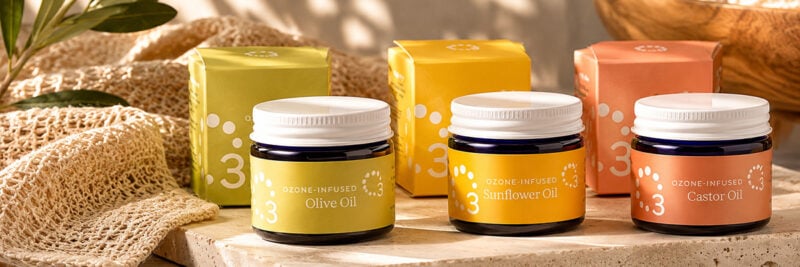
PurO3 : la puissance de l’oxygène activé et des huiles biologiques pures
PurO3 est une entreprise familiale américaine bâtie autour d’un concept étonnamment simple : associer des [...]
29
Mai
Mai
Une autre forme de soin personnel : soutenir votre bouche de l’intérieur
L'une des façons les plus simples de commencer consiste à introduire de petits rituels réguliers. [...]
03
Mai
Mai

Les fleurs de l’amour : Célébrer la fête des mères avec des fleurs éternelles et du bien-être à base de plantes
La fête des mères est une occasion spéciale de célébrer et d'honorer les figures nourricières [...]
03
Mai
Mai
Afficher uniquement les commentaires en Français (0)
 Produits de beauté
 Marques A-Z
 Bien-être
 santé et nutrition
Avis
Il n’y a pas encore d’avis.