
 SHOP
SHOP









 Dutch Health Store Collectie
 English
 Deutsch
 Français
Beauty Tips
Essentiële oliën gebruiken in het dagelijks leven

dec
Essential oils have been used for a very long time, long before they were bottled neatly or lined up on shelves. They come from leaves, flowers, bark, resins, roots, and peels, and they capture the aromatic compounds a plant produces to protect itself and communicate with its environment.
What makes essential oils interesting is how versatile they are. Some people use them for their scent alone, others for skin care, others to support breathing, rest, or focus. Often, it is a combination of all three.
At their core, essential oils are simply concentrated plant extracts. Because they are so concentrated, a little goes a long way, and how you use them matters just as much as which oil you choose.
Using Essential Oils Topically
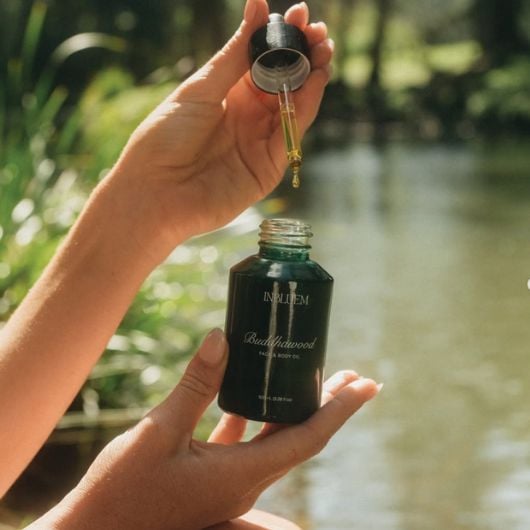
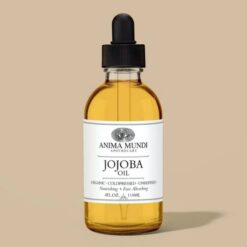
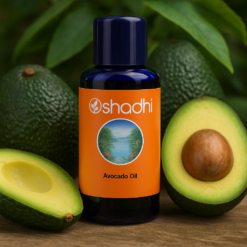
Topical use means applying essential oils to the skin, always diluted in a carrier oil such as jojoba, almond, avocado or castor oil. This dilution is important, as essential oils are strong and not meant to be used neat.
When applied to the skin, essential oils are absorbed slowly and tend to offer a more local, grounding effect. People often use them for muscle tension, skincare support, or areas like the chest, neck, wrists, or feet.
Topical use works well when you want something that stays with you for a while. The scent is softer and closer to the body, and the effect tends to feel steadier and more personal.
Some people also enjoy incorporating essential oils into simple body oils or balms, especially during the colder months when skin needs more care.
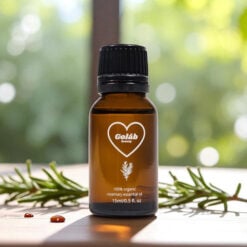
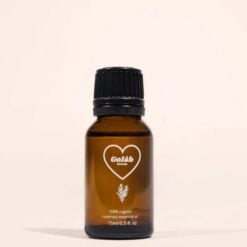
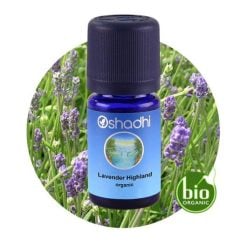
For muscle comfort and tension
These oils are suggested to used topically and diluted in carrier oils for the neck, shoulders, back or legs



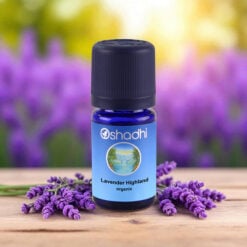
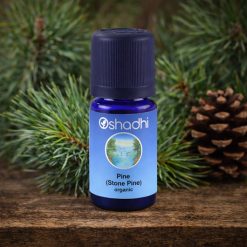
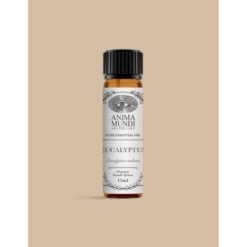
For chest and breathing support
Commonly used diluted on the chest, upper back, or feet, especially in winter



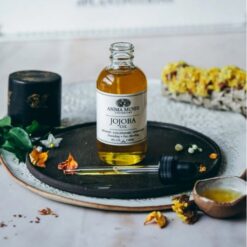
Carrier oils
A carrier oil is a plant-based oil used to dilute essential oils before applying them to the skin. It helps spread the oil safely, reduces irritation, and adds its own nourishing benefits.




Using Essential Oils in a Diffuser
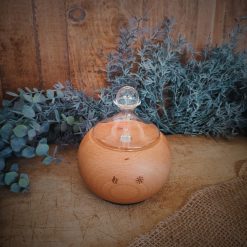
Diffusing essential oils works very differently. When oils are dispersed into the air, they are inhaled, which allows their aroma to interact quickly with the senses.
This method is often chosen for mood, focus, breathing comfort, or simply to change the feel of a space. A diffuser can make a room feel fresher, calmer, or more grounded within minutes.
Diffusing is also practical when you want to support more than one person at once, or when topical use is not convenient. During winter, many people like to diffuse oils in the evening or overnight, especially when indoor air feels dry or heavy.

Essential Oils During Cold and Flu Season
In winter, essential oils often find their way back into daily routines, most commonly through diffusers. Not as cures, but as gentle support when the body feels run down or congested, and indoor air starts to feel heavy.
Certain oils are traditionally chosen for diffusion during this time of year because of how they scent a space and how they can make breathing feel more open and comfortable, especially when used in shared living areas or during rest.


Essential Oils and Everyday Wellbeing
Beyond seasonal use, essential oils are often appreciated for how they support daily rhythms. Some scents feel uplifting in the morning, others grounding in the evening. Some help create focus during work, while others encourage rest.
What matters most is personal response. The same oil can feel comforting to one person and overwhelming to another. That is part of what makes essential oils so individual.
Choosing quality oils, using them thoughtfully, and keeping usage simple tends to bring the best experience.
A Gentle Addition, Not a Replacement
Essential oils work best as supportive tools. They do not replace rest, nourishment, fresh air, or medical care when that is needed. But they can add comfort, softness, and familiarity to everyday moments, especially during the colder months when we spend more time indoors.
Whether you apply them to the skin, diffuse them into the air, or simply enjoy their scent from the bottle, essential oils invite a slower, more sensory way of supporting wellbeing.
Sometimes, that alone is enough to make a difference.
 Beauty Producten
 Merken van A-Z
 Welzijn
 Gezondheid / Voeding