
 SHOP









 Dutch Health Store Collectie

 English
 Deutsch
 Français
Agent Nateur, Anima Mundi, Beauty Tips, Blue Beautifly, Evolve Beauty, Lepaar, Nadine Artemis (Living Libations), The Innate Life, Tidelands House, Viori
Rose in Skincare: A Guide to Rose Water, Rose Oils and Everything In Between
okt
Rose has been part of beauty for centuries, from rose water on the skin to rose oil in perfume. That long history is why it keeps showing up in modern formulas, and also why “rose” on a label can mean quite different things.
Here is a simple guide to the different forms of rose, what each one is used for, and which of our products to look at.
Not All Rose Is the Same
Rose water (or hydrosol) is made by steam distilling rose petals. It’s the gentle, watery form, and it’s the one most people use on their skin.
Rose otto is the essential oil from the same distillation. It takes several thousand kilos of petals to make a single kilo of oil, which explains the price. It has a lighter, more delicate scent.
Rose absolute is made by solvent extraction instead of steam. It’s richer, deeper and closer to the smell of the fresh flower, and it needs far fewer petals to make.
Rose attar is the traditional name for rose oil, from the old distillation methods of the Middle East and India.
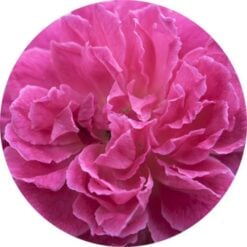
Different roses also produce different personalities. Damask rose is the classic, while Rose de Mai (Rosa centifolia) has delicate petals that are usually solvent extracted, and the old apothecary rose has a long history in herbal tradition.
What Rose Does for the Skin
Rose is known as a gentle ingredient. Rose water is traditionally used to soothe and refresh the skin, and studies on rose extracts have found antioxidant activity, although researchers say more work is needed on rose water specifically. In short, it’s a pleasant, calming ingredient that suits dry, mature and sensitive skin well, and it comes with one of the best scents in beauty.
If you’re sensitive to fragrance, patch test first, since even natural scents can bother some skin.
Rose Waters and Mists
The easiest way to start is with a rose water. Use it as a toner after cleansing, or as a mist during the day when your skin needs a refresh.
Rose water is also one of the most forgiving products you can add to a routine. It’s light and easy to layer, so it slots in between cleansing and your serum or oil without changing anything else you do. Many people keep one on their desk or in their bag for a midday pick-me-up, and it works over makeup too.
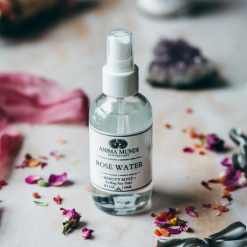
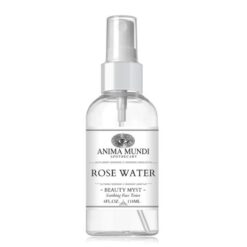
Anima Mundi’s Rose Water Beauty Myst is a soothing face toner, and Blue Beautifly’s Organic Rose Toner is another simple choice. The Soft Rose Mineral Water is a pH-balancing face tonic, and Living Libations’ Rose Glow Complexion Mist adds a glow. For something more layered, the Earth Rose/Vetiver Mineral Water and the Glow White Rose/Sandalwood Mineral Water combine rose with other botanicals.
Tip: Mist your face while it is still slightly damp after cleansing, then follow with your serum or face oil. The water gives your skin a little moisture to hold on to, and your next product helps to seal it in.


Serums, Creams and Masks
When you want more than a mist, rose appears in some lovely treatments, from light hydrating essences to richer creams. Rose also layers well with other ingredients, so it slots into the routine you already have without much fuss.
Blue Beautifly’s Rose Hyaluronic Serum focuses on hydration, and Agent Nateur’s Holi (Water) Hyaluronic Pearl & Rose Essence is a silky, luxurious essence. Both are light, which makes them a good first step after a toner, especially when your skin feels tight or dehydrated.
For something with more depth, the Harmony Rose Serum is an antioxidant concentrate for mature skin, and the Rose Renewal + Frankincense Firming Fluid is a richer option. Living Libations has a whole RoseGlow range, including the RoseGlow Serum and the RoseGlow Face Crème. Used together, the serum and the crème make a simple pair, and their Best Skin Ever in Rose is a cleansing and nourishing oil for the end of the day.
For a weekly treat, the Anima Mundi Rose Face Mask combines rose with mangosteen to purify and hydrate. Follow the directions on the pack for timing, and finish with your usual serum or crème while your skin is still soft.
Tip: Layer from the lightest product to the richest. Start with a mist or toner, then a serum, and finish with a crème or oil. Put each one on slightly damp skin, and patch test anything new before using it all over your face.


Rose for Lips, Cheeks, Hair and Body
Rose is not just for the face. It works just as well in the small things you reach for every day, which is why it’s such an easy ingredient to build into a routine, one product at a time.
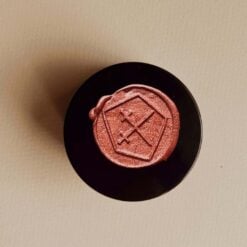
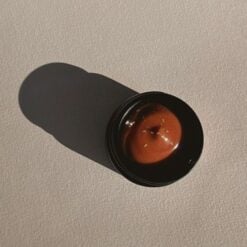
The Rose de Sang Lip & Cheek Crème gives a soft flush, and because it works on both, a single pot can do your lips and cheeks in one go. The Natural Rose Lip Polish is an edible plumping conditioner, a nice step to add before lipstick or whenever your lips feel dry. The Tea Rose & Wild Mint Lip Crème and RoseGlow Lover Lips complete the lips shelf, and they are easy to keep in a bag for a quick top-up.
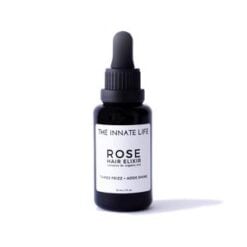
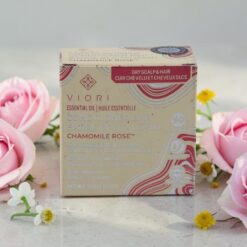
For hair, The Innate Life’s Rose Hair Elixir adds softness, and customers tell us it also takes the edge off frizz. Viori’s Chamomile Rose Conditioner Bar suits brittle, dry ends, and as a bar it’s easy to pack for travel.
In the bath and on the body, the Rose Body Oil is a lovely thing to massage into damp skin after a shower, and the Bed of Roses Boudoir + Body Mist adds a light veil of scent through the day. The Bed of Roses Pink Clay Bar Soap brings the scent into the everyday, so even washing your hands feels a little more special.
Tip: If you want to try rose in more than one way, start with a product you use every day, such as a lip crème or a body oil. You’ll get to know the scent and decide how much of it you enjoy before you add more.






Wearing Rose
If you want to smell like a rose, there are options for that too. Rose is one of the most loved scents in perfumery, and it can be anything from fresh and dewy to deep and velvety, which is why it suits so many people.
Living Libations’ Petal Perfume (Roses Shining Everywhere) is a classic, and the English Tea Rose Huile de Parfum No. 1 is a softer, oil-based perfume with a gentler, more skin-close feel. Oil-based perfumes tend to sit closer to the skin than sprays, so they are a good choice if you like your scent to be noticeable only when someone leans in.
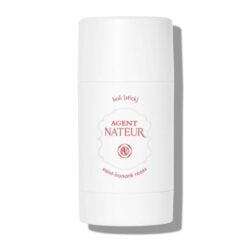
Even deodorants have joined in. The Poetic Pits Rose Glow and Agent Nateur’s Saint-Honoré roses deodorant bring a touch of rose to the start of your day, so you smell lovely without reaching for a separate fragrance.
Tip: Apply perfume to your pulse points, such as the wrists and the sides of the neck, where the skin is warm and the scent opens up. If you like to layer, use a rose deodorant as the base and a rose perfume on top, so the two scents work together.
Rose Oils: Otto, Absolute and Attar
For the true rose lover, we carry the oils themselves: Rose Otto, a white Rose Otto, Rose Attar, and absolutes including Rose de Mai, Rose Bourbon and the Apothecary Rose. There is also Rose Otto Anointing Oil, which is already diluted and ready to use, and Castor Oil + Rose Otto from Living Libations.
Two of our favourites take rose a step further by distilling it together with another plant. Roses over Vetiver pairs rose otto with vetiver root, and the result is a scent that is both floral and earthy, with the lightness of the rose balanced by the deep, grounding character of the vetiver. Roses over Geranium combines rose otto with geranium, two oils that are both known for being soothing for the skin, which makes it a lovely addition to serums and beauty balms you blend yourself.
Remember that essential oils and absolutes are very concentrated. Dilute them in a carrier oil before they touch the skin, do a patch test, and speak to your doctor first if you are pregnant or have a medical condition. PurO3’s Ozone-Infused Jojoba Oil with Rose Absolute is an easy way to enjoy rose already blended into a carrier.
See our full range of rose oils and blends here.


A Note on Rosehip
Rosehip is not made from the petals. It comes from the fruit that appears after the flower is gone, and it’s a different ingredient with its own reputation. Rosehip oil is rich in fatty acids and is traditionally used for dry, dull and mature skin.
Our rosehip range includes Rosehip Oil, Evolve’s Rosehip Miracle Oil, Wild Rosehips Carrier Oil, Blue Beautifly’s Organic Rosehip Oil Serum and the Rosehip Moisturizer.


Beauty You Can Drink
Rose has made it into the cup too. Anima Mundi’s Collagen Booster Powder in Dirty Rose Chai and the Schisandra Rose Elixir bring rose to your daily routine from the inside.
Finding Your Rose
Start with the form that suits you. A rose water is the gentlest way in, a serum is for when you want more, and an oil is for those who love the real thing. Whichever you pick, rose is one of the few ingredients that is as good for your mood as for your skin.
more blogs
Rose in Skincare: A Guide to Rose Water, Rose Oils and Everything In Between
Rose has been part of beauty for centuries, from rose water on the skin to [...]
okt
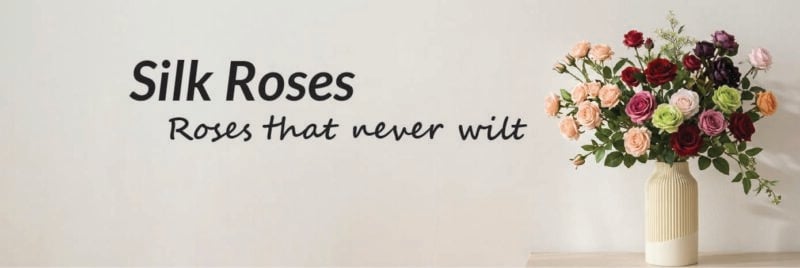
Silk Roses: How to Choose the Right Rose and Make It Look Beautiful
Everyone knows what a rose looks like, and almost everyone has a favourite. The problem [...]
okt
Veelgestelde vragen over VIVO Roodlichttherapie
Wilma legt uit:Veelgestelde vragen over VIVO RoodlichttherapieDeze FAQ wordt regelmatig bijgewerkt met nieuwe vragen uit [...]
okt

(Recipe) Mushroom Ragout
This creamy mushroom ragout is a cosy classic: deeply savoury, full of texture, and perfect [...]
okt
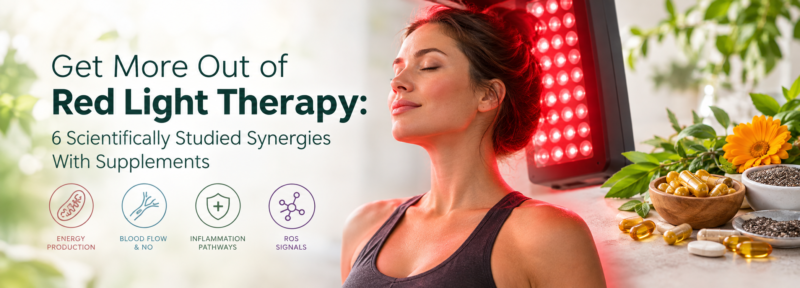
Red Light Therapy en synergie met supplementen
Wilma legt uit: Haal meer uit roodlichttherapie: 6 wetenschappelijk onderzochte synergieën met supplementen In de [...]
okt

PUMPKIN-CHICKPEA “Para-Herb Defense” Salad
This deeply nourishing seasonal salad is packed with high vibrational foods to awaken the digestive [...]
okt
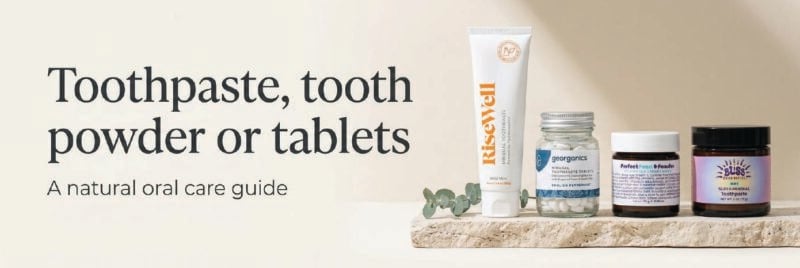
Tandpasta, tandpoeder of tabletten: welke past bij jou?
Lange tijd draaide het in het schap met tandpasta om slechts één vraag: welke smaak [...]
okt
Hydroxyapatiet tandpasta: wat het is en voor wie het geschikt is
Tandglazuur is de hardste substantie in je lichaam, en toch kan het niet teruggroeien als [...]
okt
 Beauty Producten
 Merken van A-Z
 Welzijn
 Gezondheid / Voeding